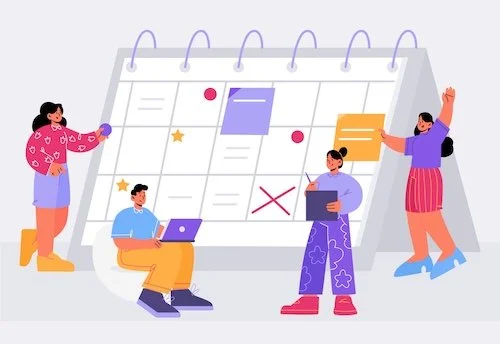
If speaking is part of your executive visibility strategy for 2026, your calendar can’t be an afterthought. Each year, our team reviews our events database to analyze trends from the past 12 months—including event seasonality, when speaker submissions typically open, and when invitations are extended. These insights make us experts on how speaking calendars actually take shape.
Today, we break down how the most effective leaders plan their thought leadership with intention, aligning company priorities, relevant industry trends, and event timelines months before they ever step on stage.
Begin Speaking Outreach Earlier Than You Think
When building out your speaking strategy, timing becomes critical. Most major conferences shape their agendas four to six months ahead, and many begin informal curation even earlier through relationships, referrals, and sponsors.
In practice, outreach for spring events starts in the fall—and by February, conversations are already underway for opportunities as far out as October.
While some events rely primarily on speaker applications, waiting until those forms open can mean entering the process later, when many of the highest-visibility roles might already be taking shape. Early outreach and leveraging strong relationships not only improves your chances of being selected for speaking opportunities, it also provides more influence over the format, topic, and visibility of the session.
Align Speaking Engagements With Business Milestones
Your speaking calendar should also align closely with your company’s business milestones. The most sought after speakers are not only insightful, they are timely and relevant. And don’t just take it from us—HumanX’s Head of Content Louise Tanner shared with us that she’s always looking for speakers with a major announcement, news, or launch to share on stage.
Moments that increase relevance for event organizers include:
Product launches
Major partnership announcements
Funding milestones
Significant customer wins
When you coordinate speaking engagements with these moments, it often leads to larger stages and more prominent speaking formats because your presence helps drive attendance and media interest.
Use Speaking Cadence to Build Toward Larger Stages
Speaking cadence can be used strategically to build momentum throughout the year, depending on the speaker’s experience level.
Less experienced speakers may start early in the year with smaller or mid-sized events to refine messaging, test new ideas, and gain comfort on stage.
More seasoned speakers can target higher-profile opportunities sooner.
By creating a consistent drumbeat and maintaining presence at targeted events, leaders not only become more effective speakers, but also build credibility with event organizers. Over time, this makes it easier to secure larger, higher-visibility speaking opportunities.
Plan Blackout Dates to Protect Credibility
Finally, a well managed speaking calendar requires clarity around blackout dates. Board meetings, earnings periods, internal launches, and personal commitments can easily conflict with event availability.
Identifying calendar constraints early helps your team avoid pitching opportunities you cannot attend, negotiate better scheduling when flexibility is limited, and prevent last minute cancellations that can damage credibility with event organizers.
Treat Speaking as a Long-Term Priority
The leaders who consistently secure the most visible stages are the ones who approach speaking as a strategic priority, not a last-minute opportunity. If you’re planning your 2026 executive speaking strategy, our team can help identify the right events, manage outreach, and position you for the stages that matter most.