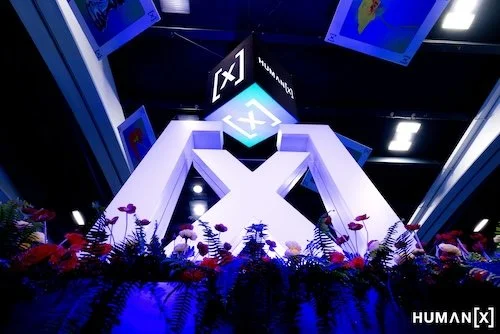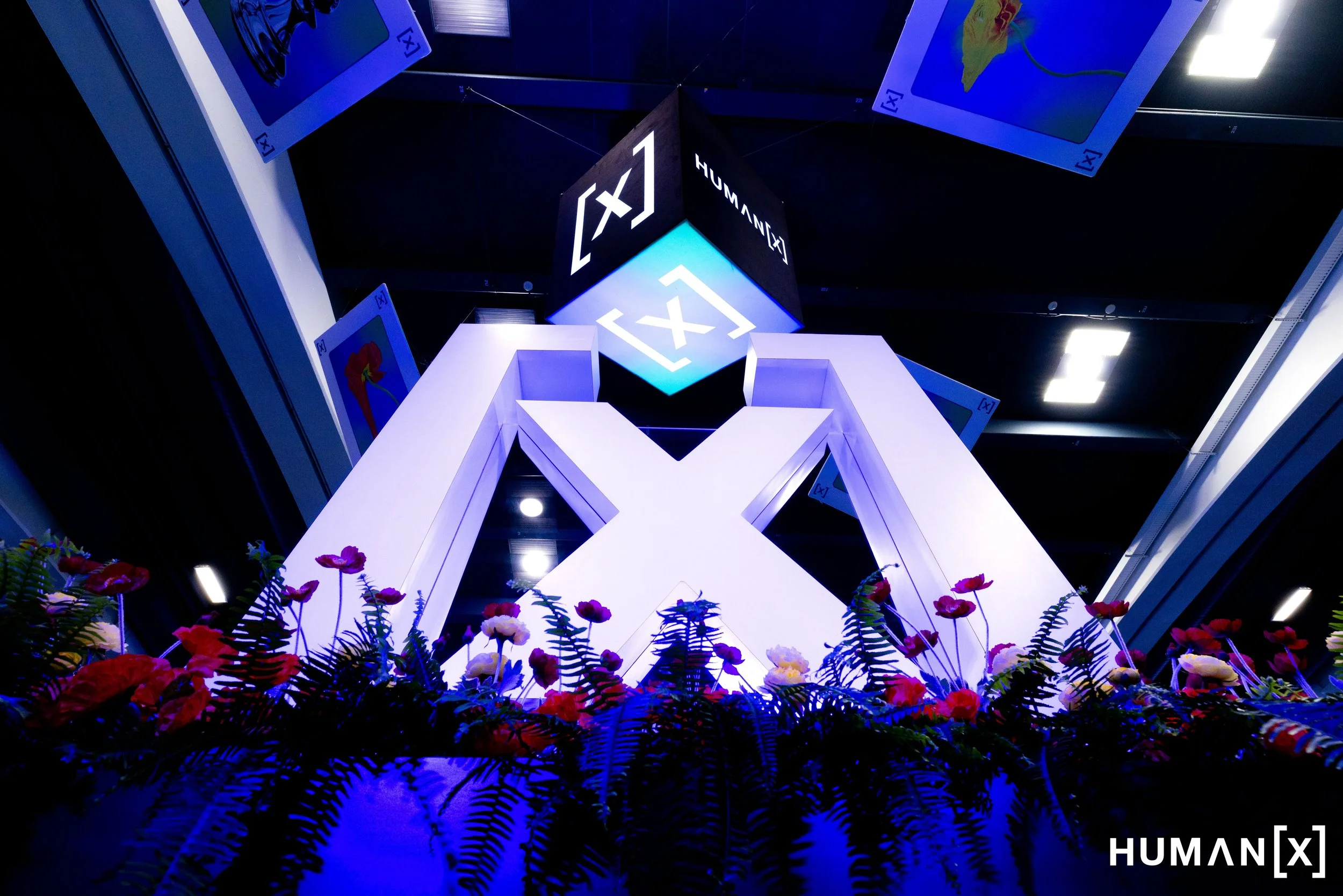
San Francisco had a lot going on earlier this month, but for our team, there was only one place to be.
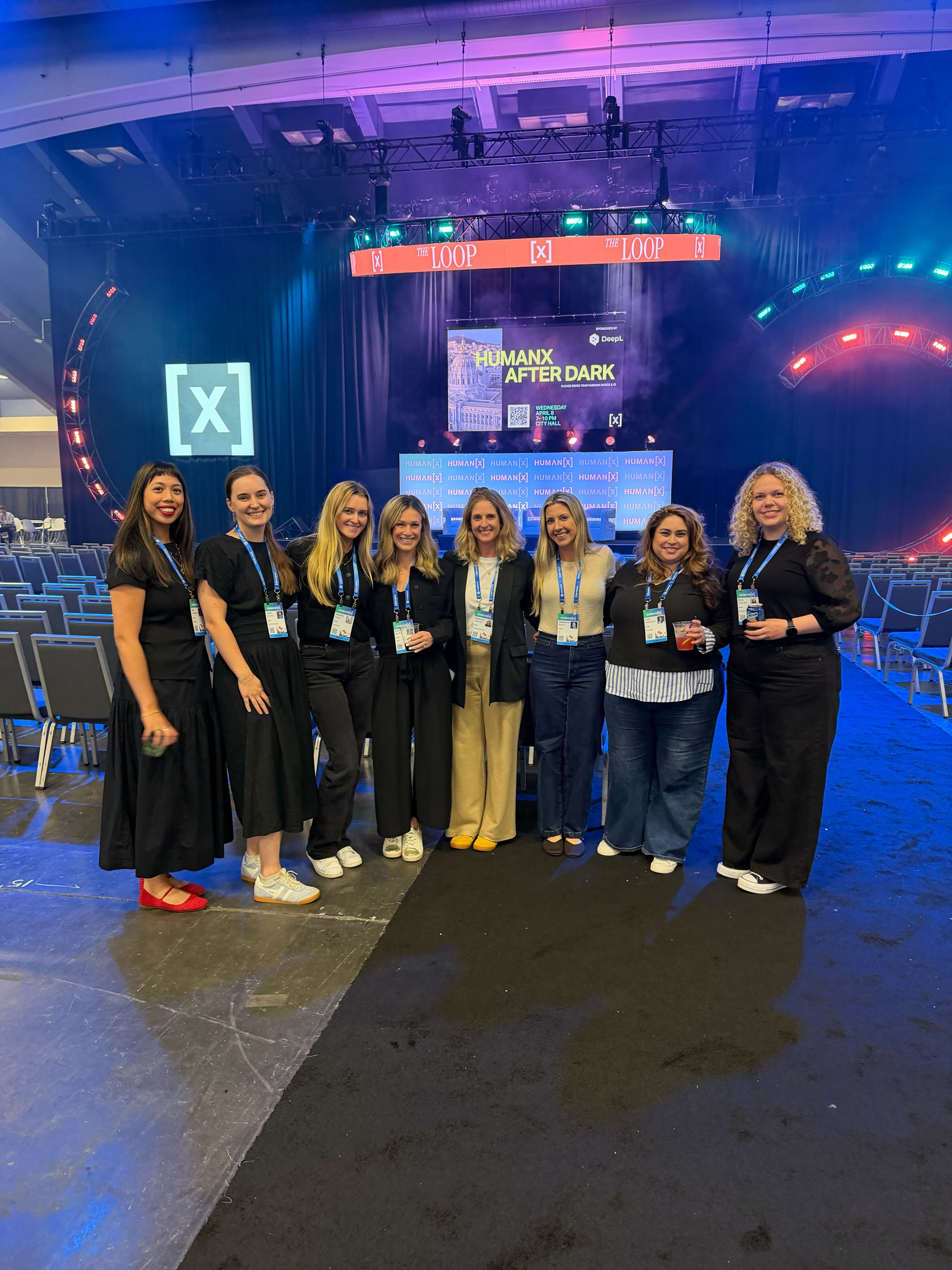
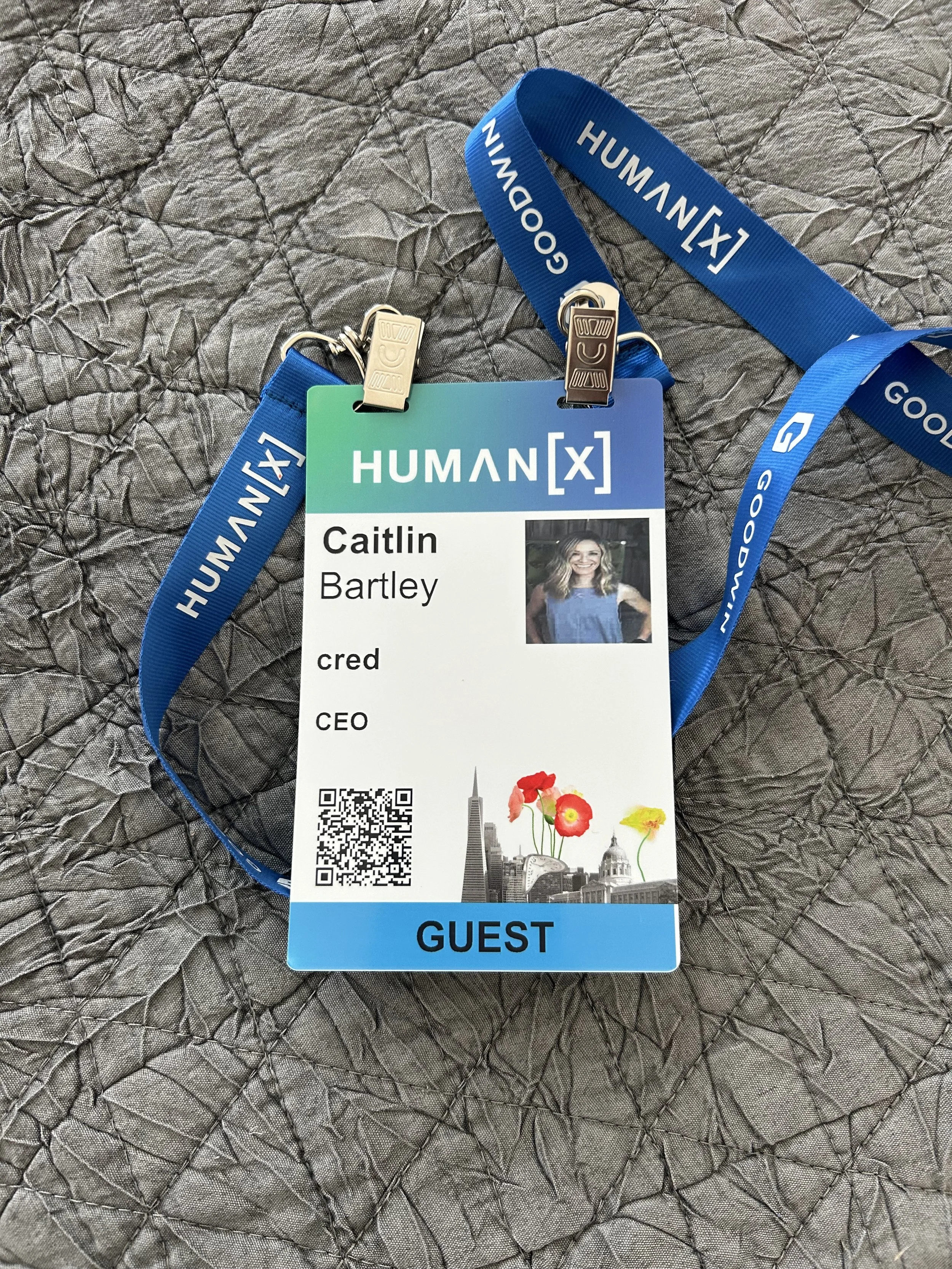
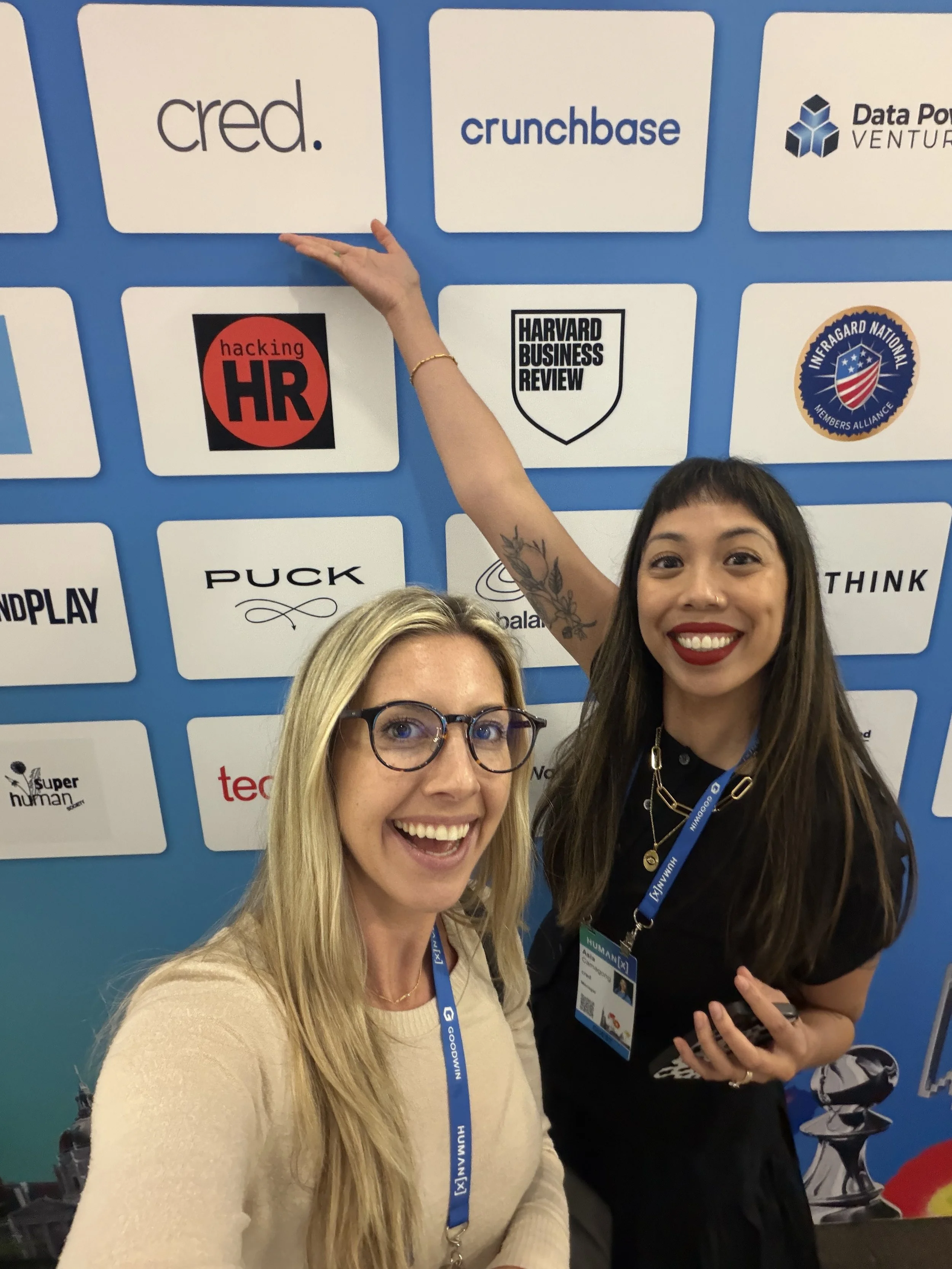
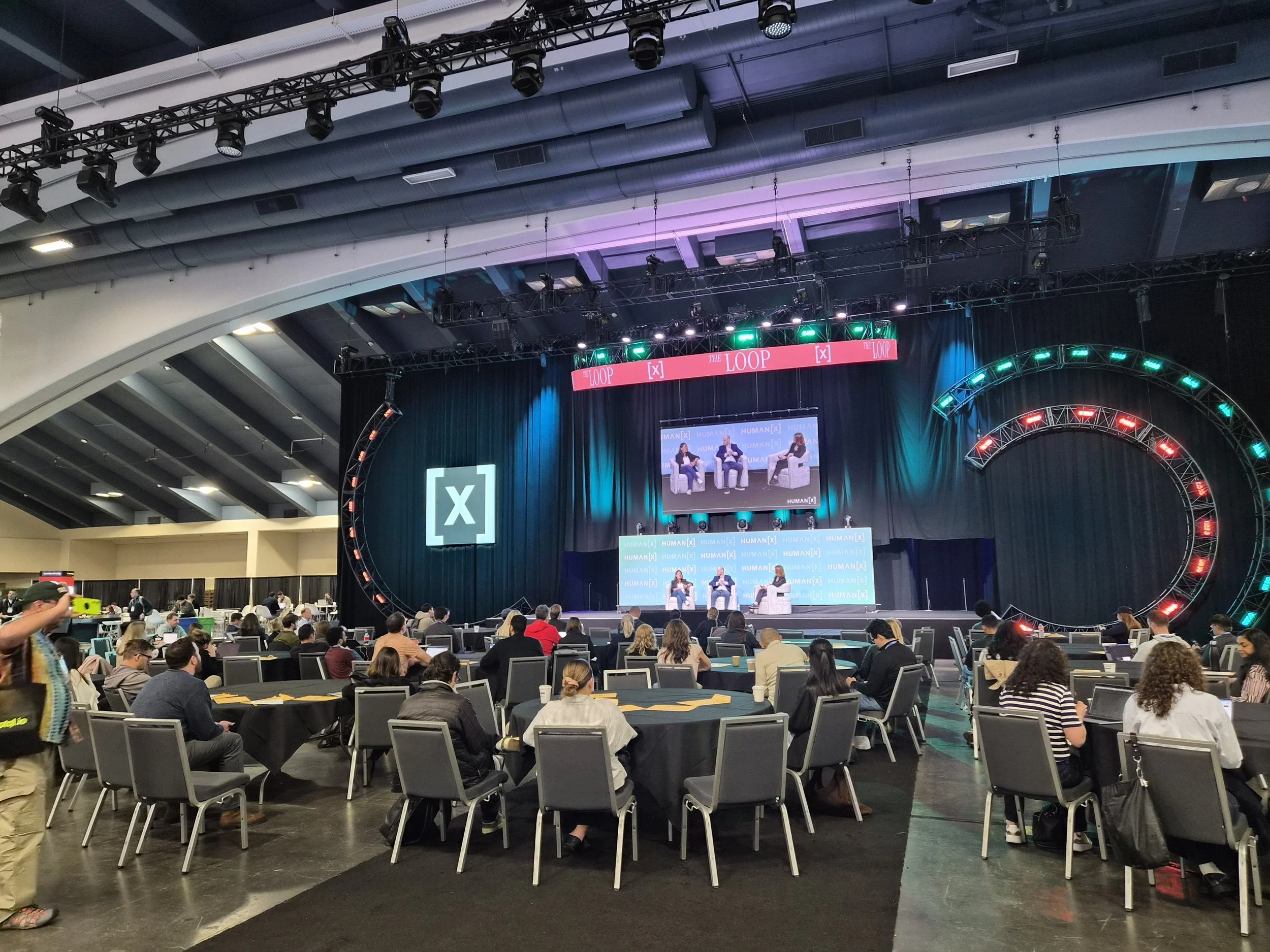
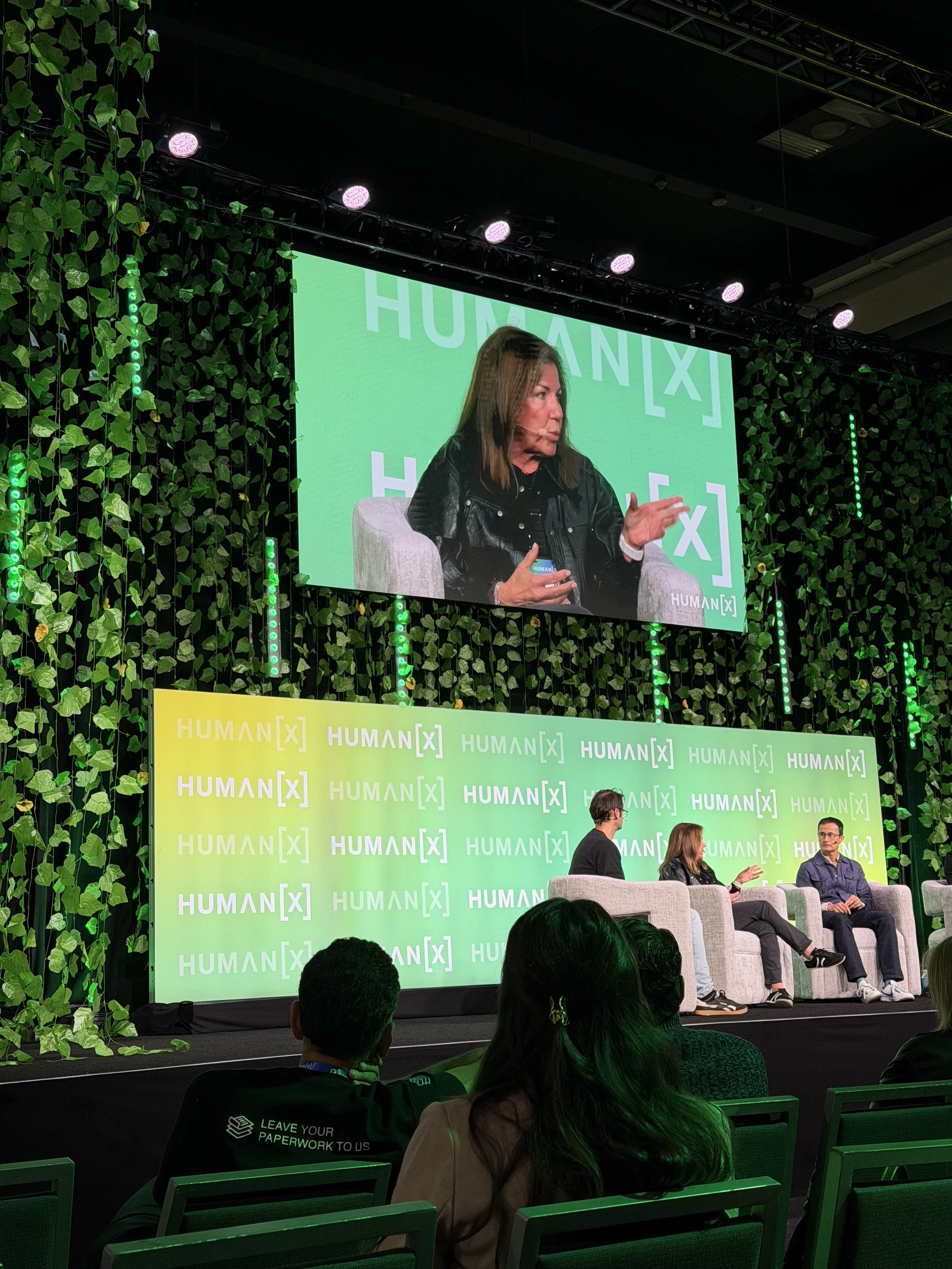
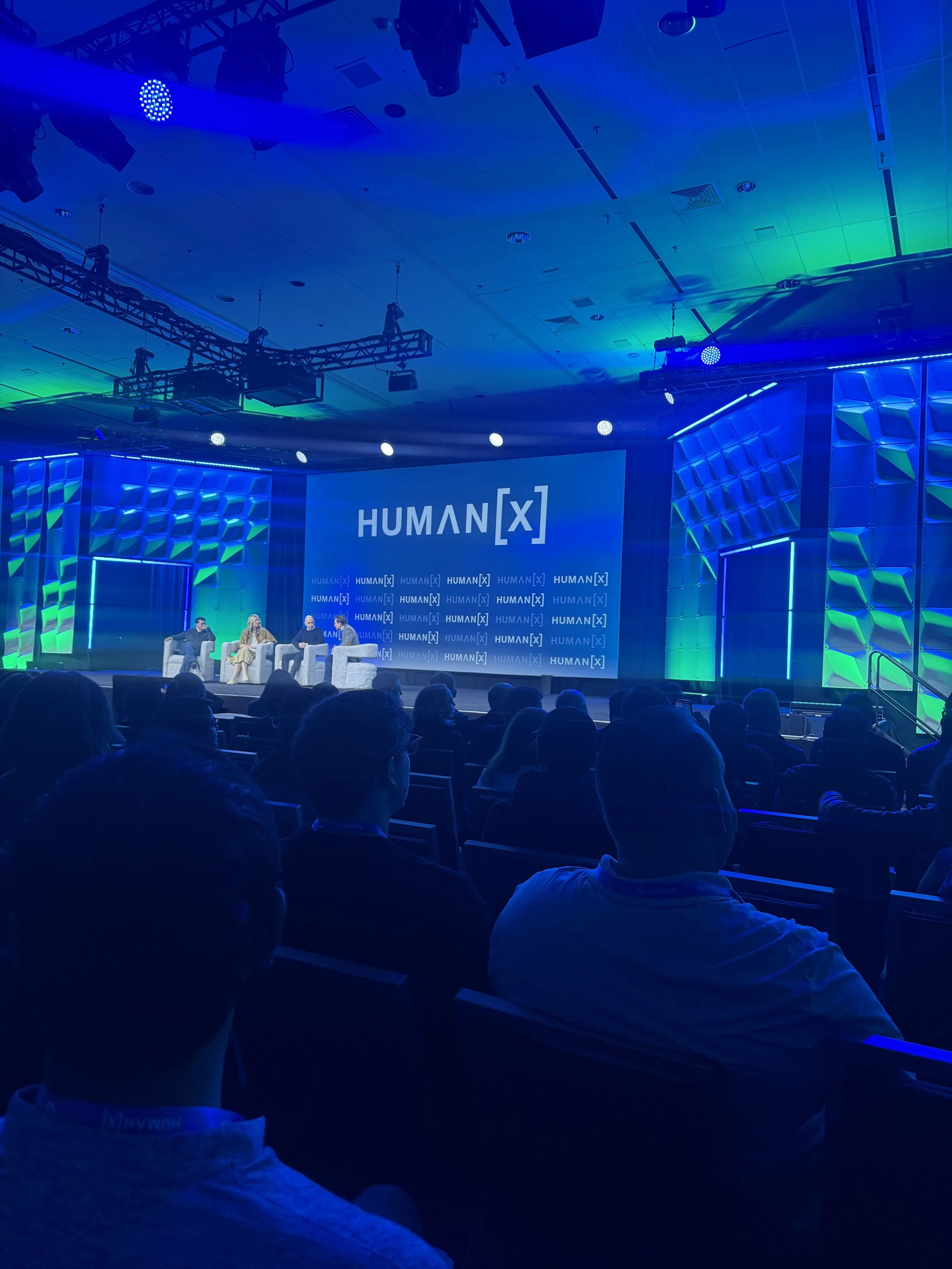
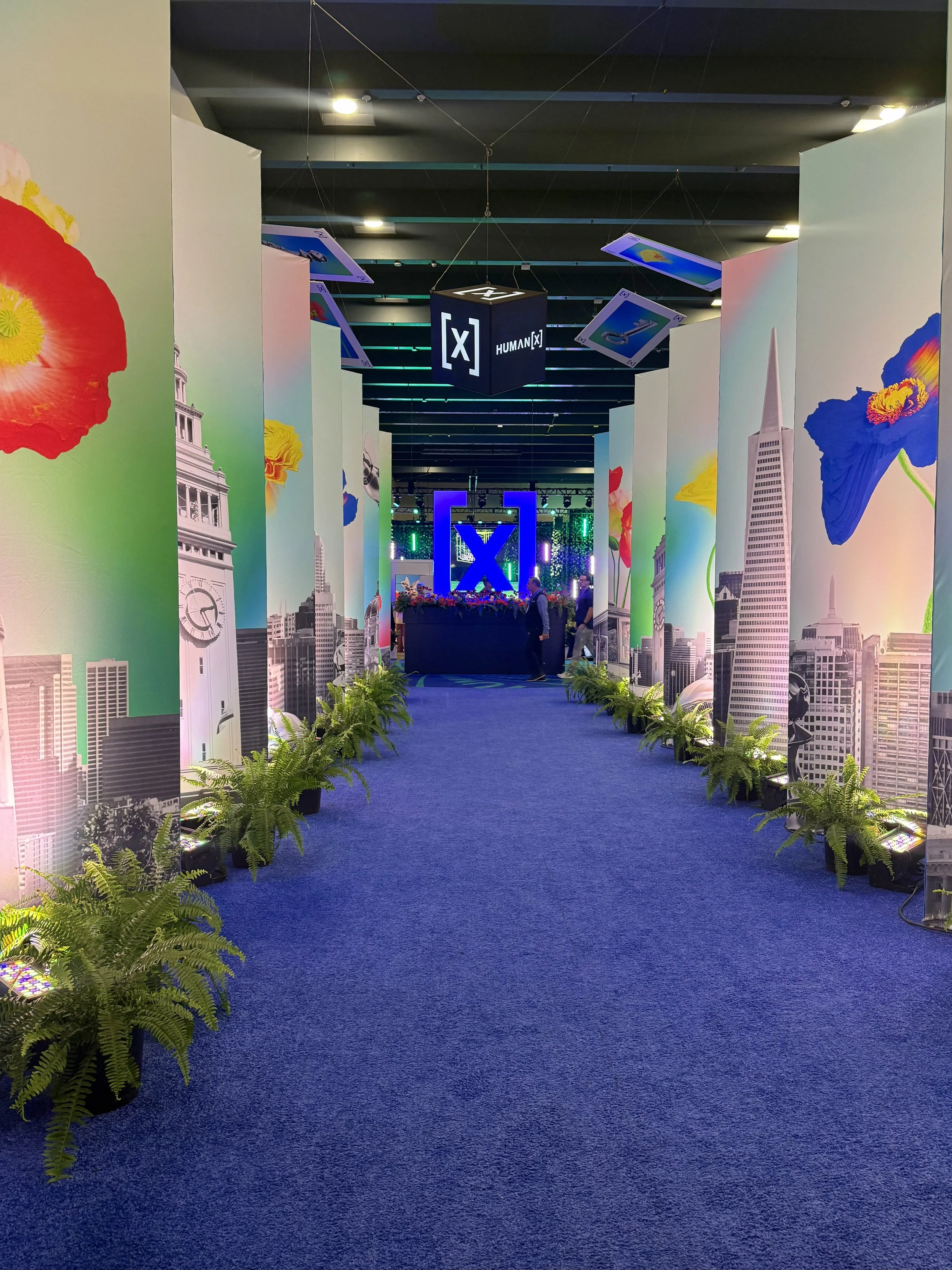
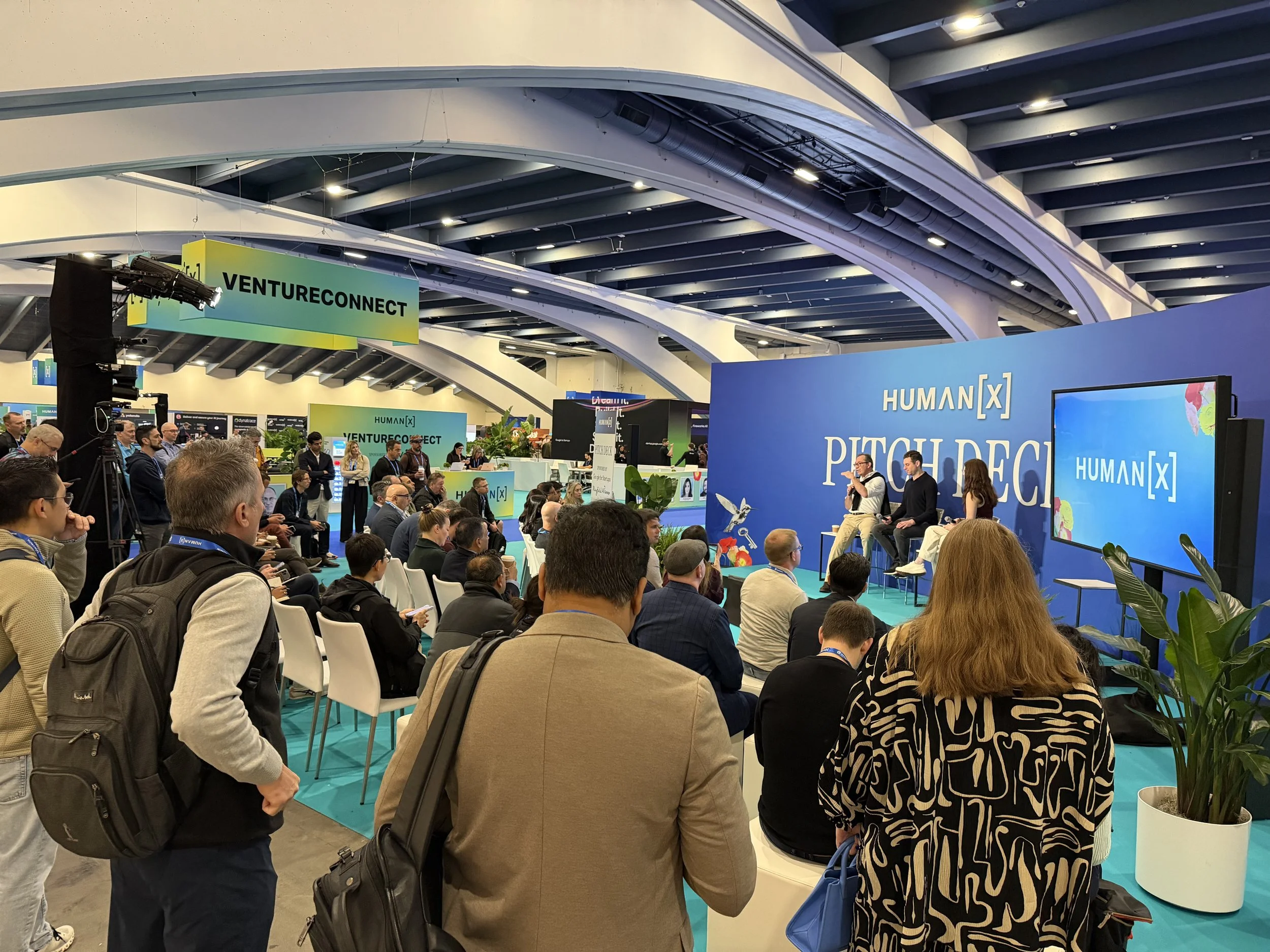
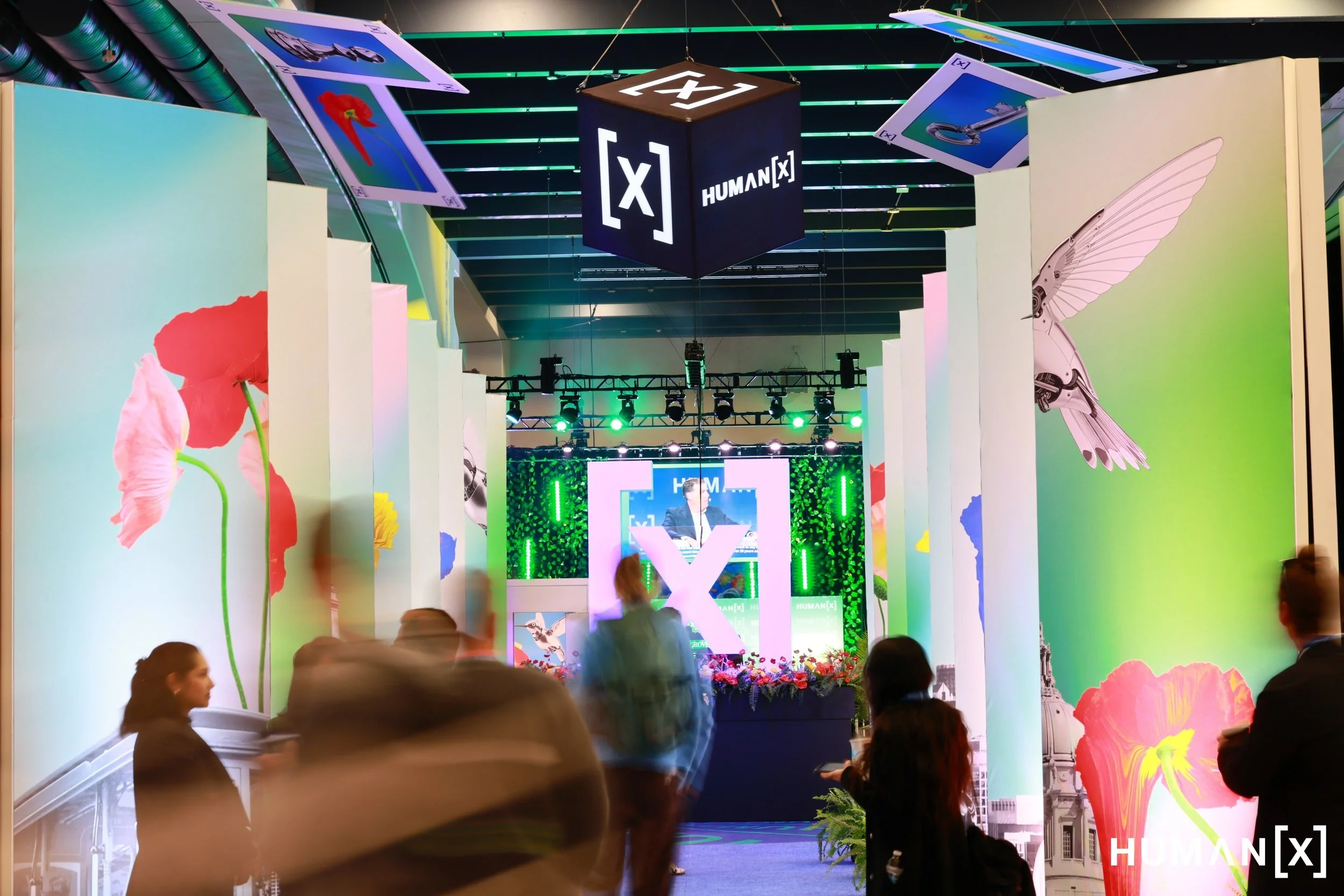
Several members from cred were onsite at HumanX 2026—one of the most talked-about AI events of the year, and one we were proud to support as an official event partner. We weren't just there to walk the floor. We were on the ground getting the overall vibe, listening into sessions, watching our speakers take the stage, and rolling up our sleeves as volunteers in the speaker room.
HumanX brought together thousands of executives, founders, investors, and technologists all trying to figure out the same question: where does AI go from here—and who's steering it? Over the course of the event, that question played out across keynotes, panels, interactive sessions, and “water cooler” conversations that we walked away from with a new perspective.
For us, being on the ground wasn't just about presence. It was about paying attention. Let’s dive in!
Standout Sessions.
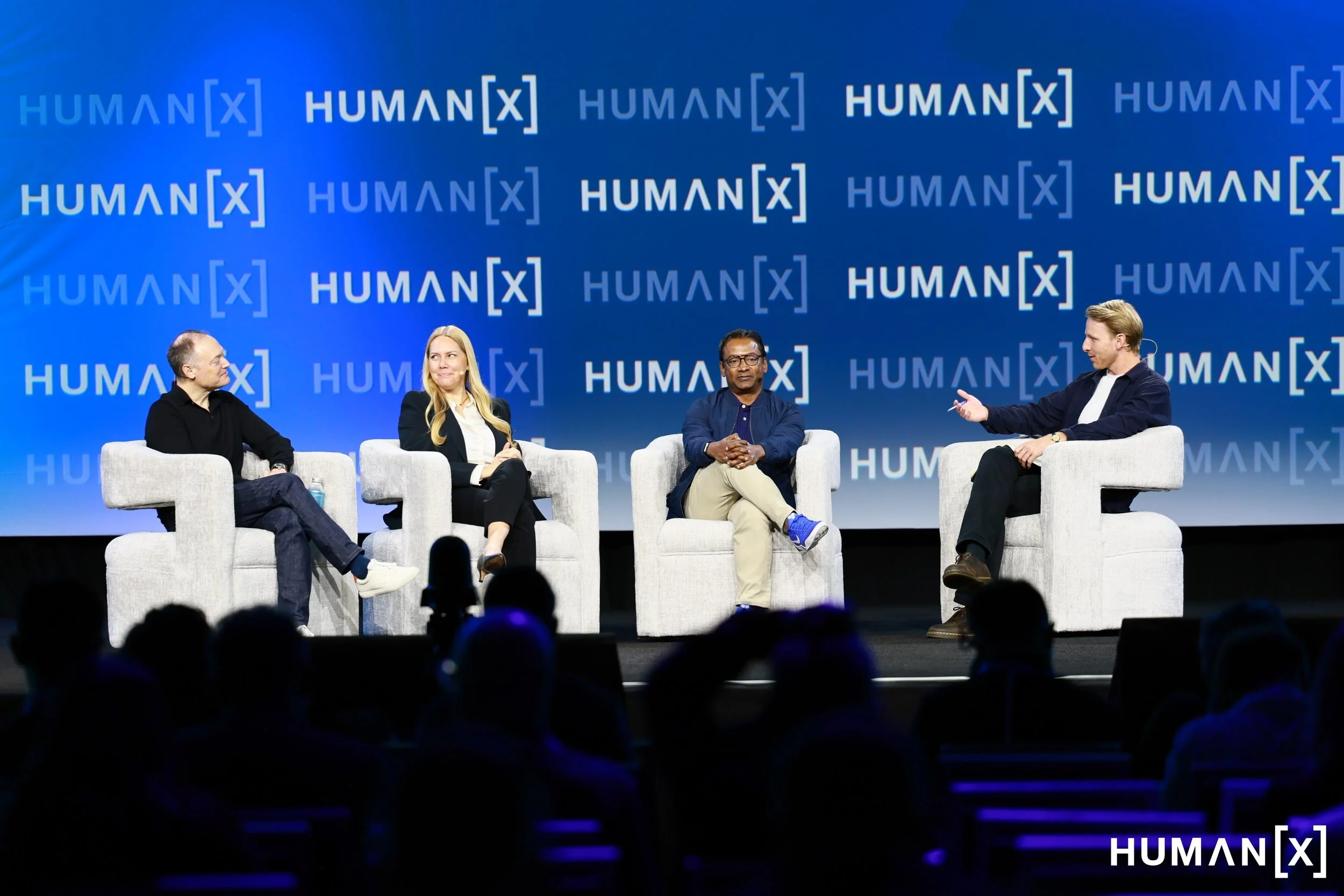
Tamara Steffens (Thomson Reuters Ventures), Aaref Hilaly (Bain Capital Ventures), and Vijay Reddy (Mayfield Fund) covered “The VCs Behind the AI Narrative Machine?” in a panel moderated by Charles Rollet (Business Insider).
Jon Noronha (Gamma) & Andrey Khusid (Miro) dug into “How Generative Tools Are Rewiring Teamwork” moderated by Alex Konrad (Upstart Media).
Jai Das (Sapphire Ventures), Katelin Holloway (Seven Seven Six), and Quentin Clark (General Catalyst) spoke on a main stage panel moderated by George Hammond (Financial Times) covering “Are AI Startups Building Real Value or Just Chasing Hype”
Linda Tong (Webflow) & Ted Bailey (Dataminr) covered “Decisions Humans Can’t Make” moderated by Ksenia Se (Turing Post).
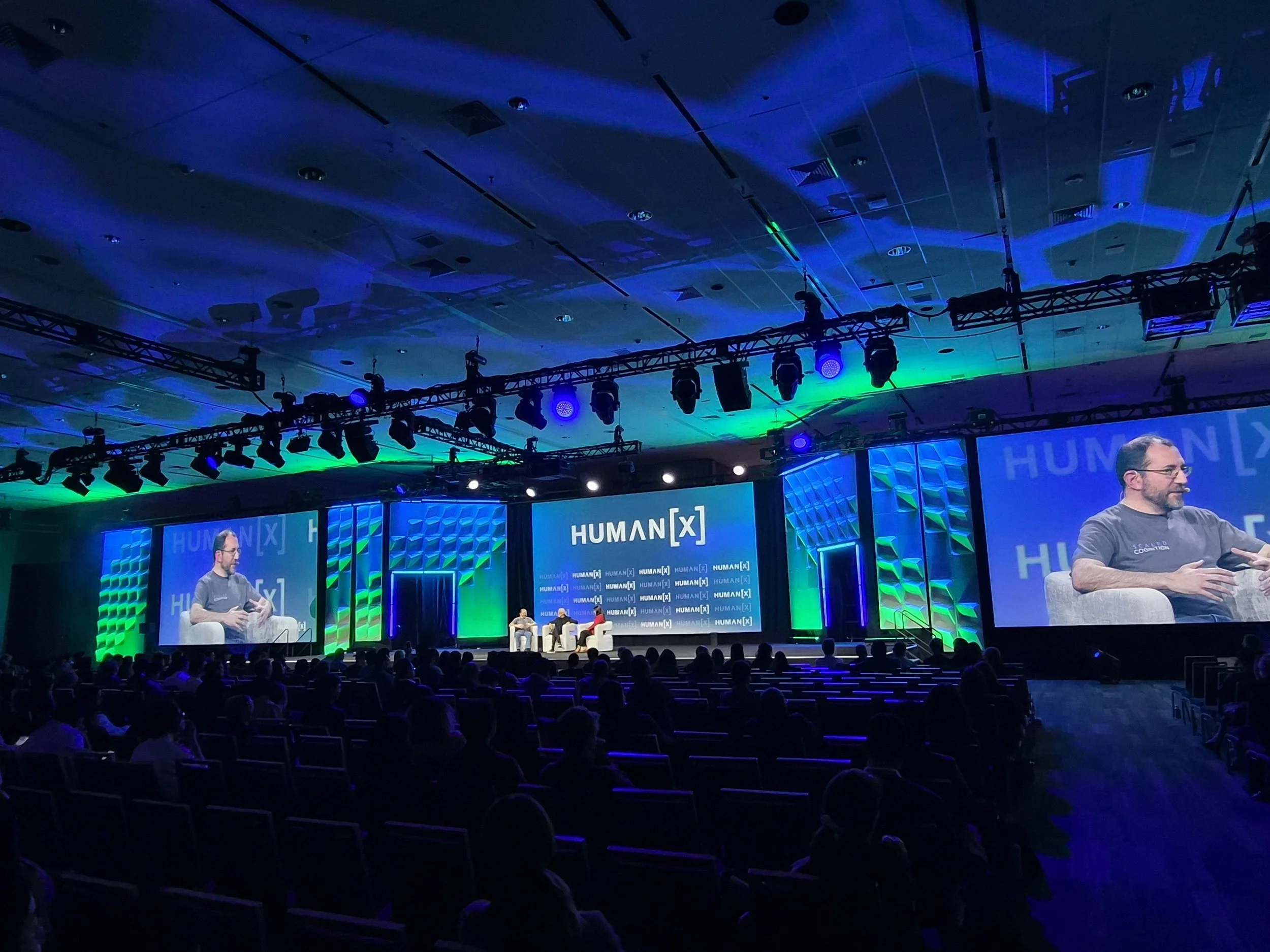
Vinod Khosla and Dan Klein (Scaled Cognition) joined for a main stage discussion on “Super Reliability vs Super Intelligence” moderated by Anita Ramaswamy (The Information).
Moderated by Reece Rogers (WIRED), Robert Brunner (Ammunition) and Marcelo Cortes (Faire) chatted about “The New Retail Experience Powered by AI.”
Ghazi Shami (EMPIRE) and Harvey Mason Jr. (The Recording Academy) took the main stage to unpack the future of creativity in “How AI Will Rewrite the Creative Process,” moderated by Clare Duffy (CNN).
Father and son duo, Ray Kurzweil (inventor, author, futurist) and Ethan Kurzweil (Chemistry) took the main stage to discuss “The Next Human-AI Era Starts at Home,” moderated by Shirin Ghaffary (Bloomberg).

Big Ideas We’re Still Thinking About.
Across sessions, one theme became increasingly clear: The future of AI won’t be fully autonomous, it will be agentic, collaborative, and deeply human-directed. From enterprise leaders to startup founders, conversations moved beyond individual models and toward ecosystems of agents working alongside people to orchestrate workflows, raise quality standards, and ultimately change how work gets done across industries.
What made the event compelling was the contrast in perspectives across audiences. Founders and builders brought optimism, often speaking about their tech as a transformational force capable of reshaping industries and solving massive global changes. Investors, on the other hand, offered a more grounded lens. Venture leaders repeatedly emphasized that while innovation is accelerating, fundamentals still matter. In a market filled with experimentation, the strongest companies will be those that build compounding value, integrate deeply into customer workflows, and solve real bottlenecks rather than chase momentum.
Meanwhile, creatives and operators reflected a different kind of tension—not resistance, but recalibration. In sessions exploring branding, storytelling, and artistic production, speakers acknowledged both the speed and uncertainty AI introduces. Many described an initial discomfort with the technology, followed by curiosity and experimentation. The prevailing sentiment wasn’t that AI diminishes creativity, but that it changes the role of the creator.
Another recurring insight was the growing importance of verticalized and purpose-built solutions. Across enterprise and infrastructure discussions, leaders noted that specialized models tailored to specific industries are beginning to outperform generalized ones..
Perhaps most notably, beneath all the technical conversation was a deeply human core concept. Whether discussing agents, automation, or creativity, speakers consistently returned to the same idea that AI may scale knowledge, but humans remain accountable for outcomes. As systems become more powerful, responsibility, judgment, and collaboration will matter even more, not less.
Notes from the cred crew.
“From a speaker's perspective, the event felt thoughtfully organized and highly intentional. The speaker room experience showed clear attention to detail, ensuring presenters felt supported and confident navigating their sessions. Across the expo hall, booths leaned into creativity, prioritizing experiences over traditional swag. The HumanX After Dark event at City Hall stood out as a memorable way to extend networking beyond the convention center, and the quick turnaround on session recordings made every stage feel equally valued.” — Asia Camagong
“It was impressive to see how many spontaneous meetings were happening throughout the venue. The space just before entering the expo hall was consistently filled with people connecting face-to-face, which reinforced the idea that even in an AI-heavy event, human interaction remains central to the experience.” — Cassidy Truax
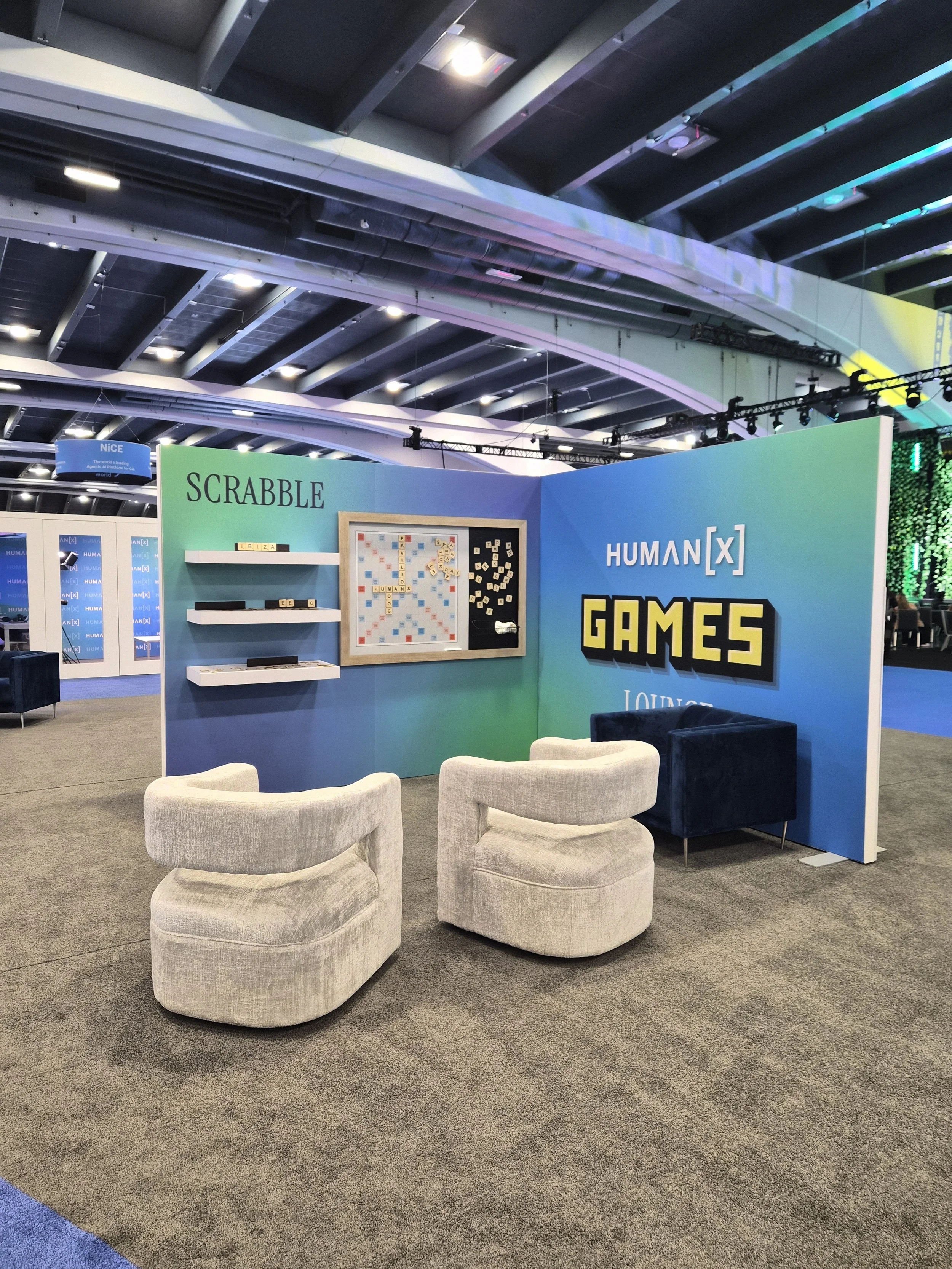
“Many sponsorship booths and activations leaned into hands-on engagement, with retro pinball machines, interactive game boards, and other tactile experiences drawing crowds. It felt intentional. As more of our work moves online and into AI-driven workflows, there was a noticeable emphasis on creating physical, memorable moments that encouraged people to step away from screens.” — Loren Provins
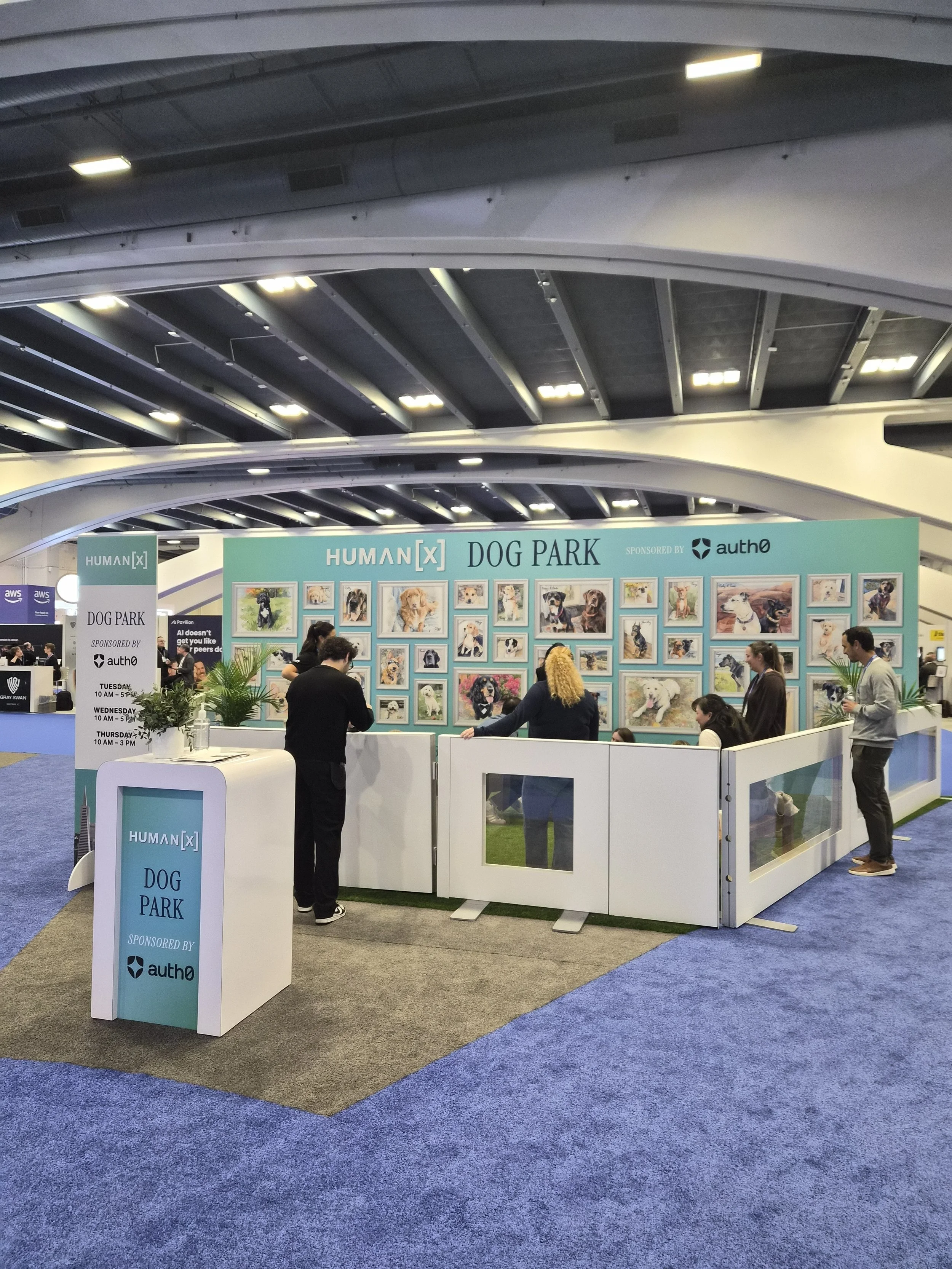
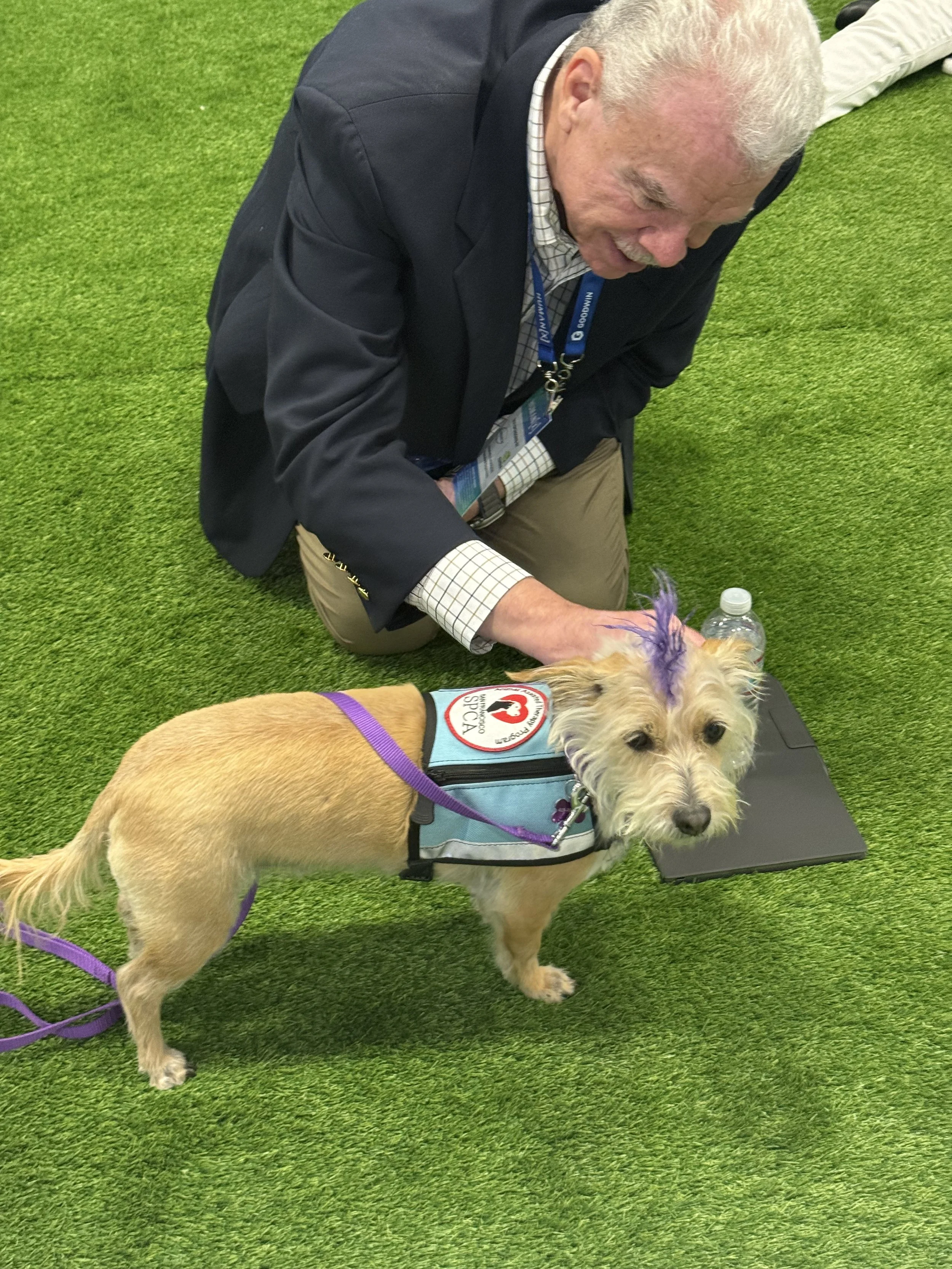
“Across the exhibit hall, there was a noticeable shift away from heavy giveaways and toward experience-driven engagement. Activations like branded beverage stands, professional headshot lounges, and even puppy stations created moments attendees remembered and shared. Cleaner booth designs and reduced reliance on swag signaled a broader industry trend that highlighted meaningful engagement when it comes to brand visibility.” — Caitlin Bartley
In the end, the message wasn’t about resisting change as AI continues to develop. It was about learning to ride the wave. Across industries, creators, operators, and innovators are finding ways to use AI not as a replacement for human ingenuity but as a tool that amplifies it.
Builders are pushing boundaries, investors are testing assumptions, and creatives are redefining workflows. The future of AI isn’t being shaped by one group alone, but by the tension and collaboration between all three. The future isn’t defined by what AI can do alone, but by what humans and technology can build together, unlocking entirely new forms of expression, workflows, collaboration, and impact.
Our team is already looking forward to next year's HumanX!