Good Company Culture: It's a Necessity


“Culture is one of the most precious things a company has... so you must work harder on it than anything else.”

-Herb Kelleher, Founder, Southwest Airlines

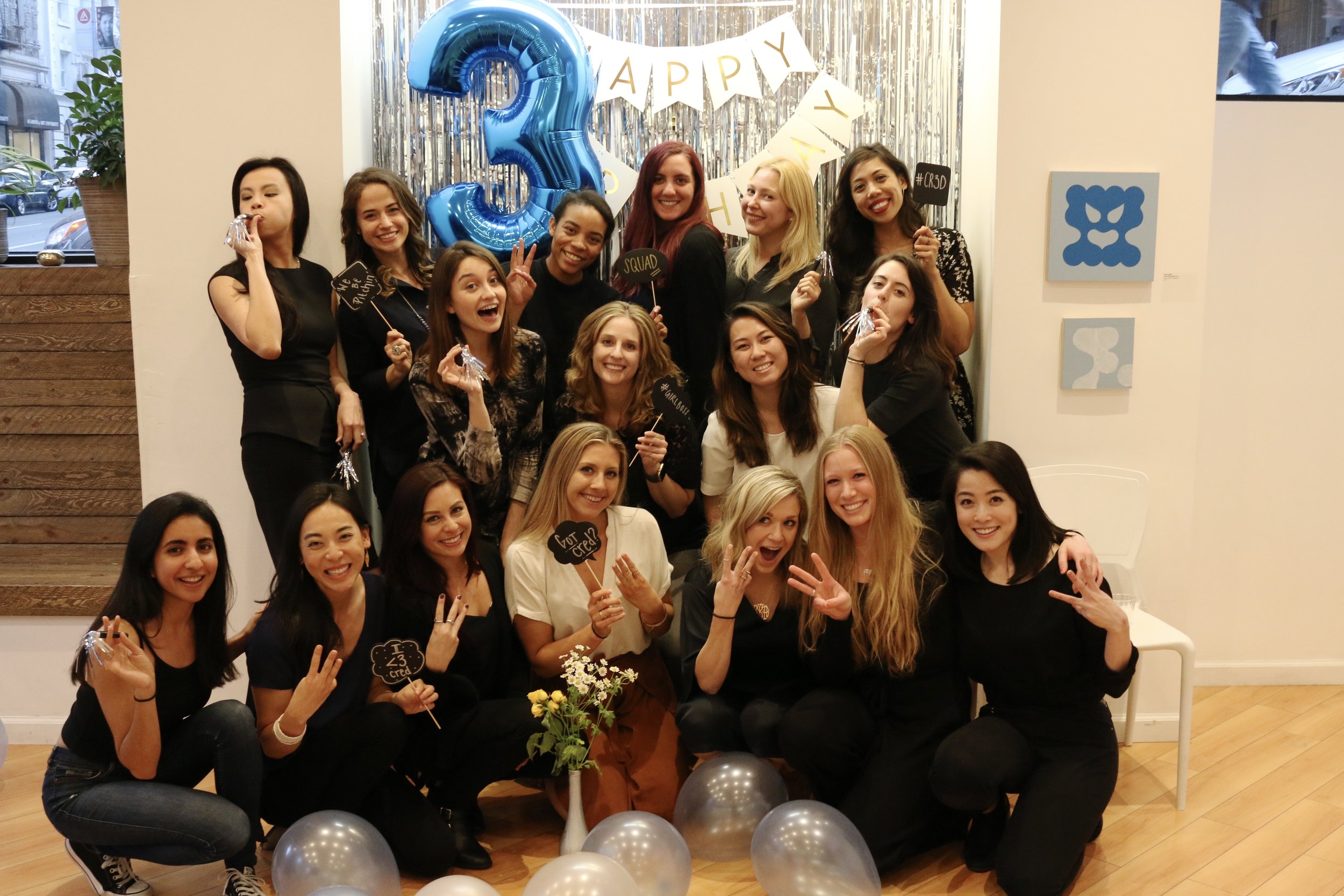
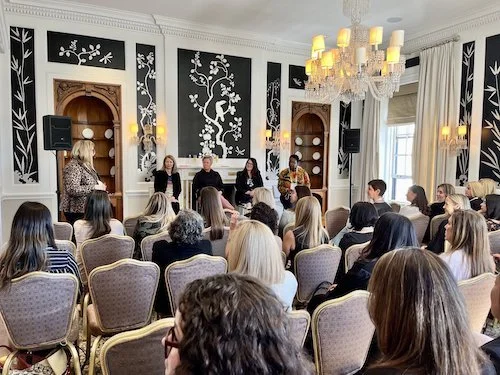
Because a company who works out together, stays together - especially when your CEO is teaching the class!

Because a company who works out together, stays together - especially when your CEO is teaching the class!

These days, great company culture is no longer optional - it’s a necessity. Job seekers consider it as much as they consider salary and benefits, which means that attracting top talent almost requires current employees who are both satisfied and thriving.

But what exactly makes a great working environment? Paul Spiegelman, Chief Culture Officer at Stericycle, breaks it down into ten essential components he calls the ”10 Cs of Culture.” We picked out a few - and added some thoughts of our own.

  1. Camaraderie. “Knowing you can go up to anyone, ask them a question, and it's a no-judgment zone,“ says Senior Associate Kyle. Camaraderie is also about having fun and getting to know colleagues beyond the office. This makes the work environment more comfortable and can build that feeling of knowing your team has your back. Kyle's favorite thing about working at cred is the sense of community and ”actually going to work with people you want to see after 5 o’clock.”

  2. Celebrations. Positive reinforcement is great, and you can’t underestimate the importance of recognizing your team. So celebrate the big wins - and the small ones too!

  3. Commitment to people. ”I wanted a job that would allow me to take on multiple roles, learning independently but also through the guidance of others. When your colleagues are willing to help you despite their jam-packed schedules, you’ve hit the jackpot." Companies who invest and trust in their people are the ones who see the most success.

  4. Commitment to the business. Going hand in hand with Number 3, the core values of a company are incredibly important. We really feel that you should work for a company you believe in. CEO Caitlin’s favorite thing about cred is “working with an incredible team and learning more about the clients and their stories and passions.” When you believe in what you're doing and are driven by a purpose, work feels less like work.

  5. Continuous effort. The work of building a company culture never ends. Beside the people, Associate Stephanie B. loves “the flexibility cred offers us - i.e. making our own hours, unlimited vacation, working from home, etc.” One-on-ones, team meetings, bonding events, and professional development are also important ways to demonstrate that your company cares.

---

How does your company maintain a good culture and happy employees?

Share your tips by tweeting them to us at @credPR!


Speaking 101: Using Digital to Improve Your Personal Brand


If you don’t give the market the story to talk about, they’ll define your brand’s story for you.

- David Brier, President & Creative Director of DBD International

When it comes to establishing yourself as a thought leader, a solid personal branding strategy is essential. Your personal brand is how you appear to the world and more importantly, how you communicate your value to others.

So how should you get started? In today's day and age, besides actually knowing what you’re talking about (we don’t recommend faking your understanding of a particular industry), becoming a thought leader involves being proactive about your digital presence.

We rounded up a few tips to keep in mind as you begin your personal branding journey:

  1. First and foremost, make sure you are discoverable. Google yourself right now. What pops up? Taking advantage of social media and updating your profiles regularly can help you connect with other people in the same space. If you're no stranger to social media, double-check to make sure your accounts aren't collecting dust and that you are presenting yourself effectively and in a positive light.

  2. Get a professional headshot. A low-quality, grainy photo makes you stand out - and not in a good way. Your online profile picture should reflect your attention to detail and demonstrate that you take your career seriously.

  3. Build a website for yourself, the reason being that it gives you more control over your online presence and how your name pops up in search rankings.

  4. Practice your writing and think carefully before you publish an opinion online. Make sure it is reflects how you want to be perceived by others. You don’t want to go viral for the wrong reasons (remember: the Internet never forgets).

All in all, don’t skimp out on the little details when it comes to building a digital presence and personal brand - we promise it pays off!

“Once people know who you are and begin to identify you with a specific area of understanding or expertise, you'll be well on your way to becoming the go-to person in your niche or industry.”


For more about personal branding, check out this article by Entrepreneur contributor Rose Leadem.

---

Want to learn how we can help you establish thought leadership for your  business? 

Get in touch at HELLO@CREDPR.COM.


cred Clients Eyeing the SXSW 2017 Stage


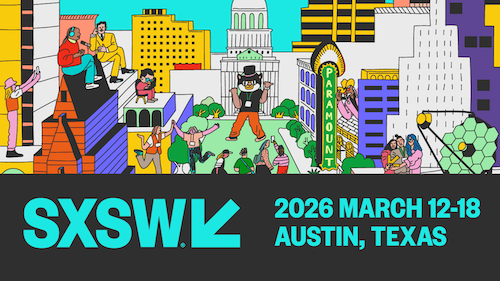
Next March, thousands of creative minds will descend upon the Lone Star State to celebrate the interactive, film and music industries. SXSW is truly an event like none other!

Each year, SXSW attracts impressive lineups, ranging from artists like Lady Gaga to speakers like President Obama. Competition is fierce and stakes are high to get on the SXSW stage, but you can have a say in who takes the mic!

Here’s a spotlight on four panels we’re excited to see:


Take a look and vote to help these sessions get on stage!


Catching Pokemon and Native Tips with Sharethrough at NATIVE 2016


The 6th annual Sharethrough Native Advertising Summit began with Dan Greenberg, Co-Founder & CEO of Sharethrough, asking the 450+ attendees if they had caught any Pokemon at the SFJazz Center. We welcomed Pokemon and attendees for a full day of discussions around today’s native transformation and brainstorming tomorrow’s possibilities, with industry leaders from:

                           Google                            

Esurance

Sofi

AppNexus

Medium

Yahoo

Facebook

CBS Interactive

Re/Code

LinkedIn

BP

NowThis

CaratDigiDay

Nextdoor

Deep Focus

MUH-TAY-ZIK | HOF-FER


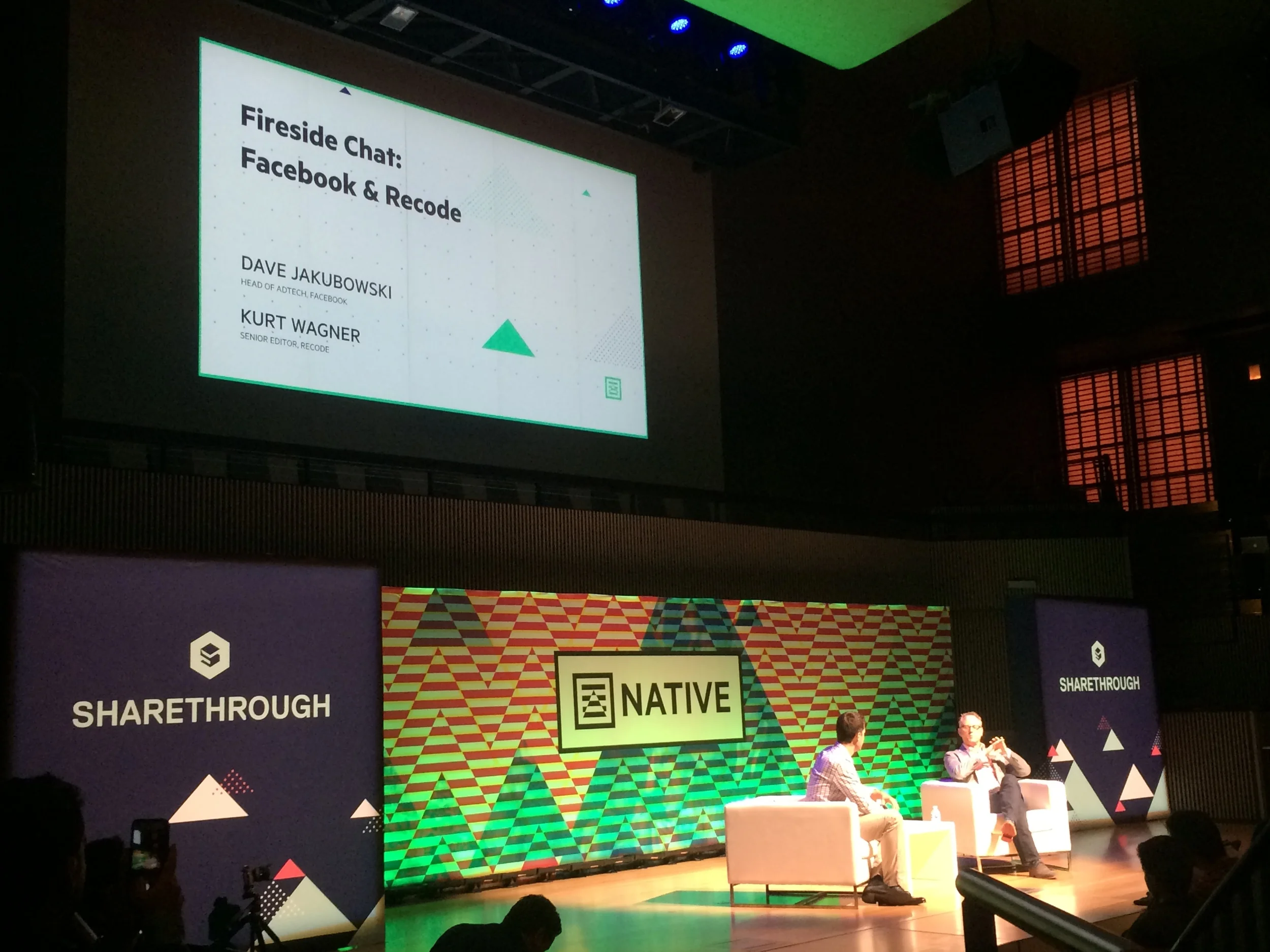
Ad tech Executives came together to share insights on how brands can better leverage Native, create engaging content that an audience wants to interact with, and how to succeed with today’s internet. Facebook’s Dave Jakubowski even “throws shade at Snapchat’s anti-creepy business” in his fireside chat with Re/Code’s Kurt Wagner. The night continued with soothing jazz sounds in the balcony for the cocktail reception where attendees and speakers could continue to make connections and enjoy the cool vibe of the SFJazz Center.

Check out some of our favorite snapshots from the day above (using the exclusive Sharethrough Snapchat filter) and be on the lookout for our next event!


Need help hosting your next event? Contact events@credpr.com.


Speaking 101: 5 Speaker Fails You Need to Avoid


As the role of thought leadership continues to gain importance in generating new business opportunities, speaking opportunities are becoming more essential to building a brand. The problem? The demand for speakers is greater than ever - even with the number of events, webinars, podcasts, etc. on the rise.

In other words, every opportunity is equally as important in establishing your speaking cred. If your audience isn’t engaged, you’re failing them and also limiting your scope for future opportunities.

Here is a list of the top five most common fails that you, as a speaker, need to avoid:

1. Misreading or not recognizing interest - Don’t fret if you only see the tops of people’s heads. “Old school” speakers might tell you to measure interest by the number of people who are making eye contact with you. However, in this digital age, keep in mind that your most engaged audience members are rapidly tweeting out your content as you speak. (So don’t ask people to turn off their phones, and try to create “tweetable” quotes!)

2. Not being involved in conversation on social media - Set yourself apart by taking part in the conversations occurring online and networking with other attendees ahead of time. This can help cultivate interest and drive attendance at your panel or session - especially important for those public speaking opportunities that have concurrent sessions.

3. Reading PowerPoint slides or notes verbatim - Don’t do it. As digital storyteller Christina Green states, “If you don’t know the topic well enough to discuss it without reading, you’re probably not the best person to lead the discussion.” #Truth

4. Not knowing your audience - Sure, you can up-cycle parts of your old presentations. Since every audience has different needs and concerns, you should still be personalizing the content for each audience. Make sure what you have to share is actually applicable; otherwise, you’re wasting their (and your) time.

5. Using too much ‘marketing speak’ - As mentioned above, know your audience - but also know how they speak. Most people want to be spoken to in easily digestible terms, save the small percentage of “C-Suite who are are still quoting management books from the ‘80s.”

There you have it! Take these insights into consideration as you plan your next presentation, and become a better, more conscious and more engaging speaker that people will rave about.

---

FOR THE FULL LIST OF 11 SPEAKING FAILS TO AVOID, CLICK HERE.


Event Spotlight: B2B ESP Predictive Intelligence Summit


B2B ESP

757 MARKET STREET, SAN FRANCISCO, CA

THURSDAY, JULY 14TH, 2016

----

The party doesn’t end July 4th. Join us and the industry leaders in B2B marketing & sales at the July 14th B2B ESP Predictive Intelligence Summit. Be sure to REGISTER NOW before prices increase!

B2B ESP is a forum for professionals responsible for fueling the growth engines of the largest enterprises and the fastest growing SaaS companies. Hosted by 6sense, this summit provides the opportunity for peers to share how they make sense of their customer data and use predictive intelligence to capture demand, build pipeline and grow their business.

Hear from C-level speakers from:

Girl Rising

Dell

LinkedIn

Forbes

Cisco

Oracle

NetSuite

SiriusDecisions

Xactly

and many more as featured on the event website.

"B2B ESP will examine the impact of connecting data across channels with 100% visibility into buyers," says CEO and Founder, Amanda Kahlow." Our vision is to continue to deliver the industry's premier predictive intelligence event, where the best minds in business architect ways to change how businesses interact with prospective customers. We're in an exciting era when every industry and every sector has the opportunity to transform to meet the needs of the market."


REGISTER NOW to secure your spot! (and use code credPR25 to get 25% off your tickets)


Event 101: 3 Essentials for Event Venue Selection


The standard convention layout is changing—and event planning agencies are looking for venues that provide experiences beyond the event itself. Aside from budget, number of attendees, and the type of event, there’s a lot to think about.

To help you break through the crowd and ensure your guests have nothing to complain about, here are three essentials to consider when selecting a venue:

  1. Flexible space - The demands of your guests are going to vary, and you can only anticipate so much. However, at the basic level, all event spaces should have areas that provide privacy, places to comfortably network prior to the event, and depending on the industry, spaces to work. This means if your guests need to check their emails or social media during the event, you will need to consider having Wifi readily available too.

  2. Connectivity with the destination - Remember: it’s also about the experience beyond the event and beyond the venue. If your host destination has something special or unique to offer, incorporate it into the event somehow. Food is the easiest, but be creative! Music, art, activities - the world is your oyster. Providing a list of pre and post-convention activities is always appreciated too.

  3. Location - On the topic of cool destinations, location is everything. Choosing a convenient location—something that differs between events - can really help leave a good impression on your guests. If many attendees are from out of town (or the state), choose a venue close to places that will accommodate them for the night. Consider parking too.

On top of the content of the event, making everything seamless and convenient for your attendees is key to ensuring your success. If this means putting up a few extra 8x11 signs to point them in the direction of the check-in area, do it. It can also give you a get-out-of-jail-free card if other aspects of your event don’t work out according to plan.

For more venue tips, check this article out.

---

Need help planning your future events or conferences?


Get in touch on Twitter @credpr

Or email us: events@credpr.com.


Speaking 101: 5 Tips for Writing A Great Bio


“[A bio] is a vehicle for quickly communicating who you are and what you do.”

- Jörgen Sundberg, Founder & CEO at Link Humans

---

Whether it’s for the About Me on a company website, public speaking opportunities, or a personal social media account, an interesting bio makes all the difference. Why? Because many of us suffer from information overload and are already quick to ignore repetitive, uninteresting, or too-lengthy content.

To get you started, we’ve compiled a list of five tips for writing a great bio:

  1. Avoid writing in first-person (exception: social media accounts, which are conventionally less formal). For professional bios, refer to yourself in third-person.

  2. Use plain English. It can be easy to forget that the rest of the world doesn’t speak your industry’s language. Numbers are great to use, as it’s important to quantify your accomplishments, but don’t try to get too fancy with your word choice. Keep it simple.

  3. Watch the length. Again, we live in a content-saturated world. Save the entire list of accomplishments for your resume (well, even there, be careful) and only include necessary, relevant information that makes people want to know more, write an article about you - or ask you to speak at their event! (See: "How long should my bio be?")

  4. Know your audience. Important to consider when planning a presentation or speech at an event, knowing your audience is also key to writing a successful bio. For instance, when submitting a proposal to speak at conferences, you should cater your bio to who’s going to be in attendance. Feature the facts that are most relevant.

  5. Keep it professional. Talking about college and graduate school degrees, charitable activities, and passions is okay. Some people even recommend sharing personal aspects of your life in your bio. We say that’s fine—as long as you keep it minimal. And if it’s really personal, make sure to relate it to how your character has been shaped or demonstrate why it is so impressive. For instance, one of our clients grew up below the poverty line and moved more than 22 times before turning 18. In spite of this, she still went on to found not one, but two successful companies. Now THAT’S something worth mentioning.

What do you think is the most important thing to consider when writing a bio? 

Share your thoughts in the comments below!

---

Find the full article here!