Speaking 101: How to Convince Others to Repeat Your Words


Repetition. Mnemonics. Visualization. These are but a few ways that people commit things to memory. Knowing this, speakers can - and should - utilize certain strategies to make their presentations more effective and memorable.

In this post, we’ll break down some thoughts on memory by Memzy's Managing Director and Cognitive Neuroscientist Carmen Simon, including portability, timelessness, and syntax.

Portability, or the ability to apply something in various contexts.

How “portable” is your idea or message? According to a study by Cornell University, phrasing affects memorability, and relies on both distinctiveness and generality. People are more likely to repeat phrases if they can apply them in multiple contexts.

Carmen’s recommendation? Create generic statements, using the present tense and limiting personal pronouns. Think of some famous movie lines or slogans, and think about how they could’ve ended up.

You’re gonna need a bigger boat. --> You’re gonna need the bigger boat.

The first instance, which is the actual movie line from Jaws, can be used pretty flexibly. Some use it when they’re simply in need of more resources. Had the writing team written the line as the latter, it would not have made any sense off the water and wouldn’t be as commonplace of a phrase as it is today.

Timelessness.

The best repeatable messages have a lasting impact and endure time. They focus on three aspects:

  1. A fundamental problem, one that is related to the audience receiving the message,

  2. Building a stimulating mental image, and

  3. The right level of complexity.

Quick note on the third point: There is a difference between profound complexity and intimidating complexity. Never overwhelm your audience with too much information that they cannot process.

Simple (but disfluent) syntax.

The order of words is important if you want people to remember what you have to say. At the same time, disfluency is also necessary.

That is, half the battle is making sure your statements flow together as a whole, creating what Carmen calls a “safe canvas.” Next is marking that canvas with distinct, disfluent words to provide cognitive roadblocks that elicit deeper processing. Seems counterintuitive, but it works. (Just make sure your entire message isn’t all over the place!)

For more on memory tips and tricks, listen to Dr. Carmen Simon on Persuasive Techniques for Business and Life here.


Speaking 101: Timeless Tips for Giving Effective Presentations

 
Public Speaking in a Meeting

Regardless of whatever industry you're in, it’s likely that you will have to give a presentation at some point in your life. And if you’re like any of our clients, maybe you’re actively speaking at conferences and events.

So what do you need to know about giving a presentation?

Here are 10 tips for delivering a clear, understandable, and thought-provoking message.

  1. Keep it simple. Unnecessary complexity should always be avoided. Don’t whip out a thesaurus before your presentation in an effort to sound more intelligent. Be real, be yourself, and use your own words.

  2. Stick to three key points. Narrow your focus - state your three points at the beginning of your presentation, and then reiterate them at the end. These are those key takeaways that your audience won’t want to forget.

  3. Engage your audience. Be interactive during your talk by finding ways to keep your audience involved. How? That’s up to you to decide! (Here are 8 ways to make your presentation more interactive.)

  4. Use visuals. One way to engage your audience (see point #3) is by using memorable visuals to emphasize your point. Stay away from too many bullet points and information overload.

  5. Be honest. Don’t try to fake passion for a topic that you don’t actually care about (or know nothing about). Your audience will see right through you.

  6. Move around. It’s the same as going to a concert. Audiences want to watch something dynamic. So walk around, use your hands (not too much though - it can be distracting), and make your point more visually appealing.

  7. Share stories. Help your audience relate to your message by incorporating a personal anecdote or two. Just make sure you don’t pepper the presentation with too much of your personal life…

  8. Be conversational. Remember that it’s not a lecture. We cannot stress this enough.

  9. Consult an expert. Always strive to improve your public speaking style and the quality of your presentations. Watch how-to videos, pay attention to other speakers onstage, read articles, take a course in public speaking, hire a vocal coach - always try to do and be better.

  10. Practice makes perfect. You can never practice too much. Rehearse in front of others or in front of a mirror, and don’t forget it’s okay to start small and then work your way up!

Interested in more? Here are 5 Speaker Fails to Avoid.

You can also view the original Entrepreneur article by Jacqueline Whitmore here.


2016: A Year in Review


A look back at 2016 and a look ahead to 2017.

To start things off, we'd like to say thank you to those of you who made 2016 special. Our team believes in one another and the impact of thought leadership through speaking, but it’s an even more incredible feeling knowing our clients also value the work that we do and believe in us too.

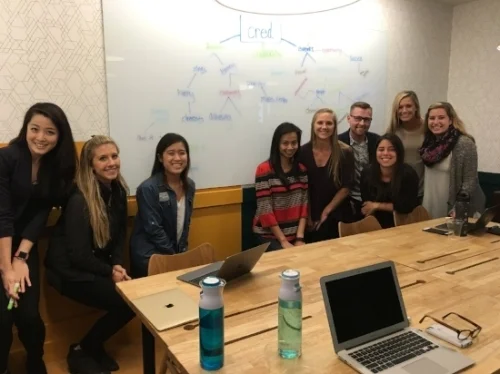
Team Huddle

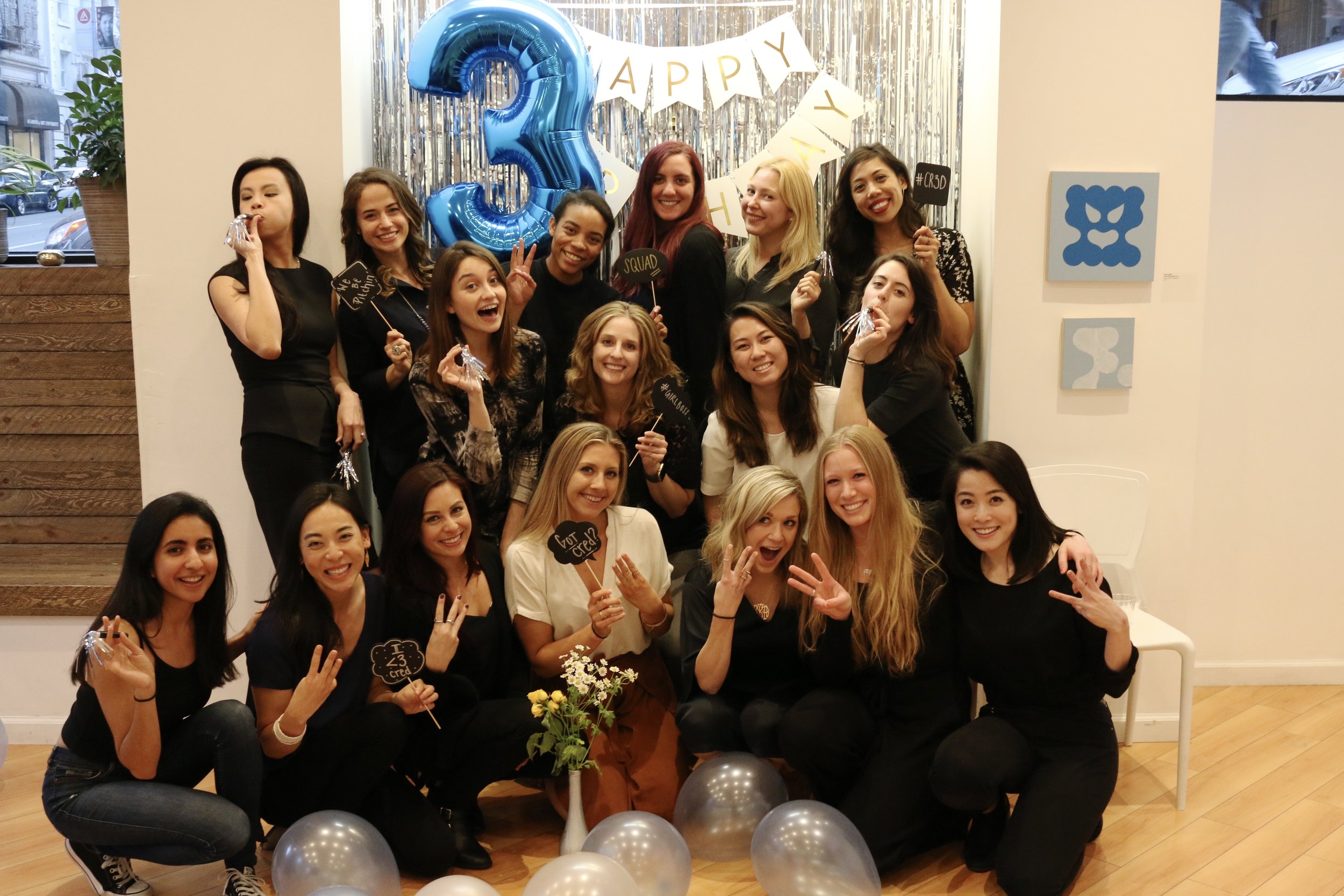
In 2016, more referrals came through the door than ever (always a good sign). Additionally, cred secured its 500th event - and as of this blog post, JUST secured its 700th! Talk about traction. 

While we’re listing some cool achievements, cred also won WeWork: California Street’s Halloween costume contest and holiday office decorating competition. All in a day’s work, as we like to say. (Major props to Kyle, our Director of Decor, for bringing home the W!)

cred 101 Dalmatians

In 2016, we really honed in on what works well, as well as strengthened and expanded upon our relationships with events:

“Thanks for sending in so many great speaker suggestions. You really nailed what we were looking for.”

“You’ve obviously taken the time to study [our] format, tone and requirements and seem to be hitting a home run on proposals submitted for different clients.”

“Still can't believe how many folks you represented for [these] proposals. Really great stuff across the board.”

Looking forward to what 2017 has in store!

Stay tuned.


Event 101: Leverage Social Media for Promotion


Here’s the truth: Whether you’re hosting a 1,500-person conference or a small workshop for 30, your event needs a social media marketing strategy.

Why? Think about it. Why do you attend an event?

  1. Networking

  2. To learn something valuable (hopefully!)

And that’s what social media is all about - networking, developing, and sharing insightful content. In this way, social media goes hand-in-hand with your event. It can multiply your reach and in turn, boost your event’s reputation and overall number of attendees. Social media also allows speakers, exhibitors, and other attendees to interact before and after your event, thereby offering a more personalized experience. So where do you begin?

First, you’ll need to determine which platforms to use. 84% of event organizers use Facebook to promote their event, with 61% on Twitter and 42% using Youtube. What makes the most sense for your event / what platform does your target attendee audience use the most?

Social Media on Phones

Second, establish your goals. What do you want? More sales? More traffic to your event page and therefore more attendees? More awareness and reputation? Sit down, and think about what you're trying to accomplish before jumping into anything.

Third, create an action plan with content ideas. What clever or useful content can you provide your followers on social media? What is going to make people ‘like,’ re-tweet, star, and share your posts? Ultimately, why should people be interested in your event?

Finally, execute. Easier said than done - and that’s why there are people out there, dedicated to social media as a profession. Social media requires a strategy, and you have to devote time and resources to it. A few tips from us:

  • Visual content performs better. (In fact, researchers found that colored visuals increase people's willingness to read a piece of content by 80%.)

  • Pay attention. For your specific audience, when do you seem to be getting the most engagement? This kind of testing, for your particular audience, will require a little bit of trial and error - maybe it’s Tuesdays in the afternoon right after lunch,? Either way, consider trends, and replicate that success. 

  • Engage with other social media influencers that are relevant to your event and brand, and always, always reply to people, especially when you're just getting started. That’s how you build up loyalty.

For more tips and tricks, check out Eventtia’s articles on event promotion, here and here.


Need help planning your own event?

Contact events@credpr.com.


Speaking 101: Getting on Stage for the First Time


“Like so many other aspects of the working world, getting into speaking gigs can be a catch-22. You need experience to get the gigs, but you need the gigs to get the experience.”

- Megan Berry, VP of Product at Rebelmouse

Conference Pic.jpeg

When it comes to speaking at events and conferences, expecting to immediately book the biggest gigs or get paid is unrealistic and honestly, not the smartest idea. It’s important to think practical and realistic to start, target the right events for your expertise and audience, and work your way up.

Even the most popular, high profile speakers have had to start somewhere - and with good reason, as the worst place to do your first presentation would be on-stage in front of hundreds of people! Becoming a great speaker requires practice and comes with experience. It means being proactive and investing both time and effort in your message, as well as your speaking strategy.

The result is a ripple effect, as one speaking engagement can open the door to more speaking opportunities. Plus, to get into some of those bigger, more established conferences, you usually need past speaking experience. (For those of you who are unfamiliar with the submission process, many applications even ask for videos of you speaking. Without one, you might not even be considered.)

So as Berry says, find the low-hanging fruit first. Not getting enough - or any - inbound requests to speak? Try meetups and panels. “Solo gigs are harder to get than panel gigs.” And there are dozens of meetups and small events happening in every city, every month. You just have to take the time to look for them.

Because remember: it’s a marathon, not a sprint.

---

For more tips on securing more speaking gigs, check out this article.

Need help getting started? Not sure what events would be interested in you? Contact us at speak@credpr.com.


Good Company Culture: It's a Necessity


“Culture is one of the most precious things a company has... so you must work harder on it than anything else.”

-Herb Kelleher, Founder, Southwest Airlines

Because a company who works out together, stays together - especially when your CEO is teaching the class!

Because a company who works out together, stays together - especially when your CEO is teaching the class!

These days, great company culture is no longer optional - it’s a necessity. Job seekers consider it as much as they consider salary and benefits, which means that attracting top talent almost requires current employees who are both satisfied and thriving.

But what exactly makes a great working environment? Paul Spiegelman, Chief Culture Officer at Stericycle, breaks it down into ten essential components he calls the ”10 Cs of Culture.” We picked out a few - and added some thoughts of our own.

  1. Camaraderie. “Knowing you can go up to anyone, ask them a question, and it's a no-judgment zone,“ says Senior Associate Kyle. Camaraderie is also about having fun and getting to know colleagues beyond the office. This makes the work environment more comfortable and can build that feeling of knowing your team has your back. Kyle's favorite thing about working at cred is the sense of community and ”actually going to work with people you want to see after 5 o’clock.”

  2. Celebrations. Positive reinforcement is great, and you can’t underestimate the importance of recognizing your team. So celebrate the big wins - and the small ones too!

  3. Commitment to people. ”I wanted a job that would allow me to take on multiple roles, learning independently but also through the guidance of others. When your colleagues are willing to help you despite their jam-packed schedules, you’ve hit the jackpot." Companies who invest and trust in their people are the ones who see the most success.

  4. Commitment to the business. Going hand in hand with Number 3, the core values of a company are incredibly important. We really feel that you should work for a company you believe in. CEO Caitlin’s favorite thing about cred is “working with an incredible team and learning more about the clients and their stories and passions.” When you believe in what you're doing and are driven by a purpose, work feels less like work.

  5. Continuous effort. The work of building a company culture never ends. Beside the people, Associate Stephanie B. loves “the flexibility cred offers us - i.e. making our own hours, unlimited vacation, working from home, etc.” One-on-ones, team meetings, bonding events, and professional development are also important ways to demonstrate that your company cares.

---

How does your company maintain a good culture and happy employees?

Share your tips by tweeting them to us at @credPR!


Speaking 101: Using Digital to Improve Your Personal Brand


If you don’t give the market the story to talk about, they’ll define your brand’s story for you.

- David Brier, President & Creative Director of DBD International

When it comes to establishing yourself as a thought leader, a solid personal branding strategy is essential. Your personal brand is how you appear to the world and more importantly, how you communicate your value to others.

So how should you get started? In today's day and age, besides actually knowing what you’re talking about (we don’t recommend faking your understanding of a particular industry), becoming a thought leader involves being proactive about your digital presence.

We rounded up a few tips to keep in mind as you begin your personal branding journey:

  1. First and foremost, make sure you are discoverable. Google yourself right now. What pops up? Taking advantage of social media and updating your profiles regularly can help you connect with other people in the same space. If you're no stranger to social media, double-check to make sure your accounts aren't collecting dust and that you are presenting yourself effectively and in a positive light.

  2. Get a professional headshot. A low-quality, grainy photo makes you stand out - and not in a good way. Your online profile picture should reflect your attention to detail and demonstrate that you take your career seriously.

  3. Build a website for yourself, the reason being that it gives you more control over your online presence and how your name pops up in search rankings.

  4. Practice your writing and think carefully before you publish an opinion online. Make sure it is reflects how you want to be perceived by others. You don’t want to go viral for the wrong reasons (remember: the Internet never forgets).

All in all, don’t skimp out on the little details when it comes to building a digital presence and personal brand - we promise it pays off!

“Once people know who you are and begin to identify you with a specific area of understanding or expertise, you'll be well on your way to becoming the go-to person in your niche or industry.”


For more about personal branding, check out this article by Entrepreneur contributor Rose Leadem.

---

Want to learn how we can help you establish thought leadership for your  business? 

Get in touch at HELLO@CREDPR.COM.


Speaking 101: 5 Speaker Fails You Need to Avoid


As the role of thought leadership continues to gain importance in generating new business opportunities, speaking opportunities are becoming more essential to building a brand. The problem? The demand for speakers is greater than ever - even with the number of events, webinars, podcasts, etc. on the rise.

In other words, every opportunity is equally as important in establishing your speaking cred. If your audience isn’t engaged, you’re failing them and also limiting your scope for future opportunities.

Here is a list of the top five most common fails that you, as a speaker, need to avoid:

1. Misreading or not recognizing interest - Don’t fret if you only see the tops of people’s heads. “Old school” speakers might tell you to measure interest by the number of people who are making eye contact with you. However, in this digital age, keep in mind that your most engaged audience members are rapidly tweeting out your content as you speak. (So don’t ask people to turn off their phones, and try to create “tweetable” quotes!)

2. Not being involved in conversation on social media - Set yourself apart by taking part in the conversations occurring online and networking with other attendees ahead of time. This can help cultivate interest and drive attendance at your panel or session - especially important for those public speaking opportunities that have concurrent sessions.

3. Reading PowerPoint slides or notes verbatim - Don’t do it. As digital storyteller Christina Green states, “If you don’t know the topic well enough to discuss it without reading, you’re probably not the best person to lead the discussion.” #Truth

4. Not knowing your audience - Sure, you can up-cycle parts of your old presentations. Since every audience has different needs and concerns, you should still be personalizing the content for each audience. Make sure what you have to share is actually applicable; otherwise, you’re wasting their (and your) time.

5. Using too much ‘marketing speak’ - As mentioned above, know your audience - but also know how they speak. Most people want to be spoken to in easily digestible terms, save the small percentage of “C-Suite who are are still quoting management books from the ‘80s.”

There you have it! Take these insights into consideration as you plan your next presentation, and become a better, more conscious and more engaging speaker that people will rave about.

---

FOR THE FULL LIST OF 11 SPEAKING FAILS TO AVOID, CLICK HERE.