Speaking 101: 8 Steps to Building your Personal Brand

 
Branding.png

Branding with Brandi: 8 Steps to Building your Personal Brand

When we think of brands, we commonly think of recognizable names like Tiffany & Co., McDonalds, Nike, and Amazon, but have you ever thought of yourself as a brand? Start by asking yourself why is everyone drawn to those popular products or services over their competitors, and what qualities and characteristics set them apart. Using that same thought process, think about yourself and what qualities and characteristics distinguish you from everyone else.

Recognizable brands reveal the power of perception and the strategy of self definition. People are drawn to their perception of you and the reputation you leave behind— a unique combination of personal characteristics, values, strengths, and passions create value and separation from your peers. You’re just as much a brand as Nike, why not market yourself as one? If you’re looking to effectively market yourself, generate more leads, or establish yourself as a thought leader, developing a personal branding strategy is critical to your success.

The first and most important step in developing your personal brand strategy is defining your Personal Brand. Follow these 8 steps to begin defining your personal brand:

  1. Define your target audience.
    Who do you want to receive your message?

  2. Contemplate your vision and purpose.
    Think bigger picture here—in what areas of life would you like to see improvement, and what role will you play in making that happen?

  3. Discover your values and passions.
    Values are your guiding principles (ex. collaboration, transparency, impact, integrity), and passions are the things that motivate you. By determining your values and passions you’ll naturally gravitate towards people and activities that best align with yours. Notice how these correlate with how you operate at your job, around others, etc.

  4. Identify 3 - 4 of your best attributes.
    Some questions to ask yourself: What adjectives would others use to describe you? What words would you use to define your personality? What personality traits best showcase how you work towards your goals?

  5. Identify 3 - 4 of your greatest strengths.
    What is your unique “super power” that has benefited others or your company? Your strengths are the skills that position your value above others.

  6. Ask for feedback from those that know you best - family, friends, colleagues, managers, anyone.
    A true measure of your brand is others’ perception of you, which is a reflection of the reputation you curate. Ask what they think are your top qualities and strengths, and compare their response with what you’ve identified in numbers 4 and 5.

  7. Know who your competitors are, and what differentiates you from them.
    Why should anyone choose you over your competitor? Remember your personal brand is the unique value you offer, so consider what qualities you contribute that no one else does.

  8. Finally, select 3 words that best describe you.
    If you’ve completed the steps above, you’ve already highlighted your top attributes and have an idea of what qualifications distinguish you from others. Now zero-in further and describe yourself using only 3 words. These three words will reflect your personal brand!

Want to learn more about personal branding and building your personal brand? Check out this guide.

Brandi's Three Words to create her brand are: Tenacious, Diligent, and Charismatic

Brandi's Three Words to create her brand are: Tenacious, Diligent, and Charismatic


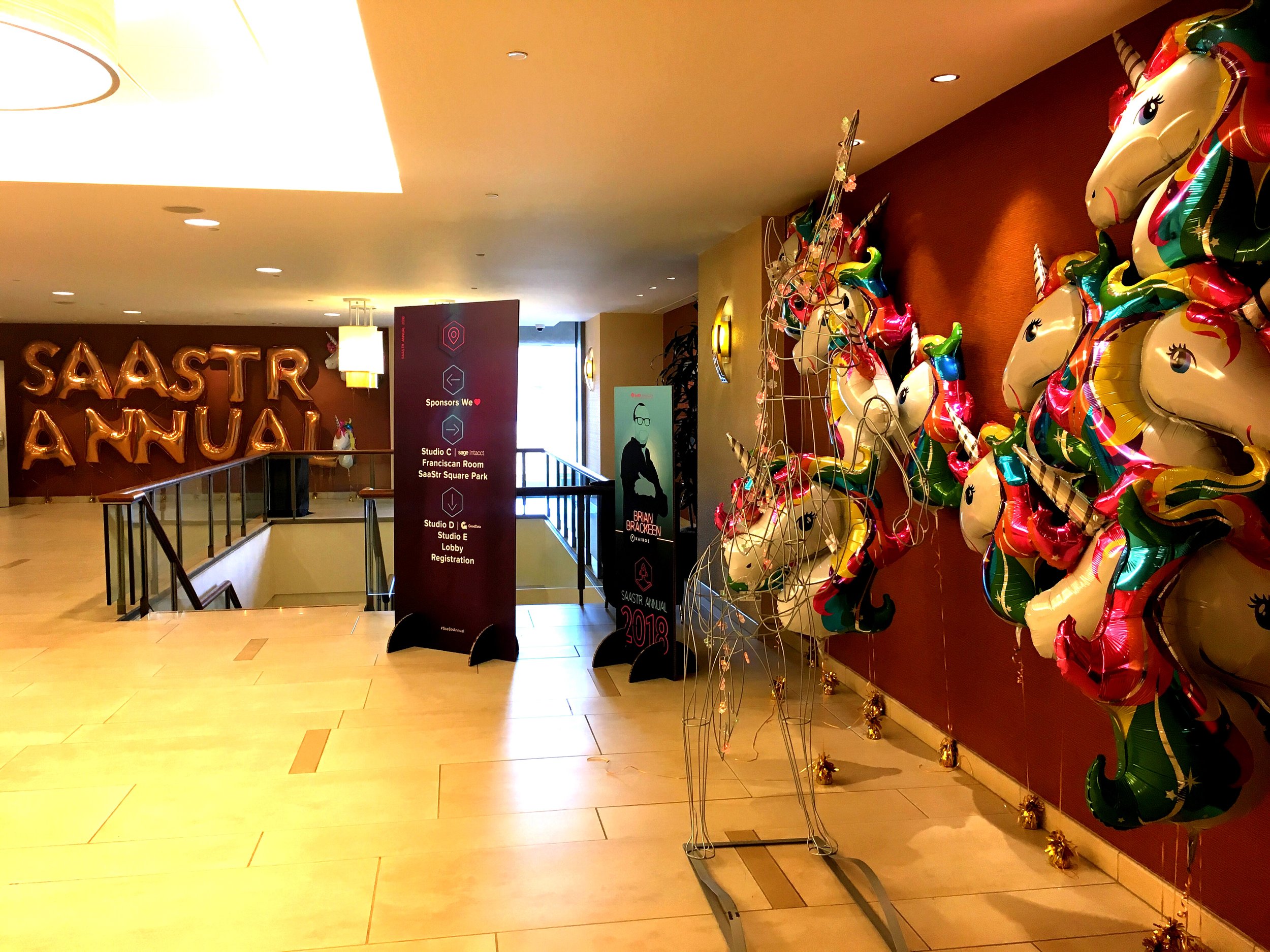
Event Spotlight: SaaStr Annual 2018


Last week the cred team had the opportunity to attend one of our collective favorite conferences: SaaStr Annual 2018. As one of the top conferences in SaaS globally (we ranked it in our Top 10 of 2017 in case you missed it), we loved being able to see our clients in action. SaaStr Annual is a massive convention, bringing together people across the spectrum in software as a service from start-ups, to investors, to unicorns such as Hubspot, Basecamp, and Medallia.

We were proud to have a solid line-up of cred clients present to share their insights on investing, building companies, and using SaaS. Some of our favorites included our client Joanne Chen of Foundation Capital, who moderated an invigorating talk to an absolutely packed room around “How do SaaS Companies Build Differentiated Assets in this New World of AI.” We also loved learning from our very own Mike McDerment, CEO of Freshbooks, who discussed his team’s “Unusual Approach to Replatforming” in a talk called “Split Testing Companies.”

An attendee favorite of SaaStr was the opportunity to set up “braindates.” Start-ups could meet with VCs or other companies excited about SaaS. It was an exuberant environment for idea-sharing. One of our personal favorite activities was the Yappy Hour on the first two nights. Attendees could unwind and play with puppies courtesy of Family Dog Rescue.

We are looking forward to SaaStr 2019 and continuing to place our innovative clients at this event!

Want to speak at events like SaaStr Annual? Reach out at hello@credpr.com! 


Speaking 101: The Power of a Short Speech


At cred, we love to collaborate and give everyone on the team a chance to be a voice for the industry. Here is what one of our Senior Associates, Anastasia Hardin, would like to share about how to capture attention when speaking.

In today’s connected, app-for-everything world, distractions are plentiful at any time of day. We’ve all felt that “smart phone reach” before: we’re sitting in a presentation, maybe 10 minutes in, and our mind wanders to that email we need to respond to, the crowdfunding campaign we’ve been monitoring, the engagement on our latest social media post, and oh wait - Buzzfeed just pinged us with another Top 10 article that we just have to read…

How do you keep an audience’s attention when they have the world at their fingertips?

While there are many pointers out there (read more here or here) today we want to focus on perhaps the most important factor: TIME.

As attention has become more of a scarce resource, the length of a speech plays a big role in how engaged and enlightened your audience will be. Keep it simple and short. Listening takes energy which can be draining. Too much information can prevent understanding.

So what is the ideal length of a presentation? Some would argue 5 minutes is enough to get a point across, but in most settings, anything under 20 minutes is the real sweet spot.

And if you don’t believe us - go check out the most watched TED Talks. 80% of them are under 20 minutes.

TED Curator, Chris Anderson, on keeping it short and relevant:

"[18 minutes] is long enough to be serious and short enough to hold people’s attention. It turns out that this length also works incredibly well online. It’s the length of a coffee break. So, you watch a great talk, and forward the link to two or three people. It can go viral, very easily. The 18-minute length also works much like the way Twitter forces people to be disciplined in what they write. By forcing speakers who are used to going on for 45 minutes to bring it down to 18, you get them to really think about what they want to say. What is the key point they want to communicate? It has a clarifying effect. It brings discipline."

Photo Of TED Curator Chris Anderson by Jame Duncan Davidson at https://www.flickr.com/photos/tedconference/9029271822/in/photolist

Photo Of TED Curator Chris Anderson by Jame Duncan Davidson at https://www.flickr.com/photos/tedconference/9029271822/in/photolist

If you are thinking, “how can I possibly get everything I need to say in under 20 minutes?” -- stop a moment and remember the most powerful speeches you’ve ever heard in person or from history. Chances are, they were short and simple.

Maybe they included:

If you want to avoid looking out over an audience with their heads buried in their smartphones, then keep your comments short. When you connect your powerful ideas with brevity, you will achieve the greatest impact with your audience.


Speaking 101: 5 Tips To Present with Confidence

static1.squarespace.jpg

At cred, we wear many hats, and as part of our onboarding process for new employees, we invite them to educate us on a topic of their choosing on our blog. Here's what Gina King, cred's Associate, is teaching us about presenting with confidence this week!

Did you know that 74% of people have Glossophobia? You might not know what it is by its name, but you’ve probably suffered from its symptoms: nervous sweating, fidgeting, or speaking in a timid voice. Glossophobia is better known as the fear of public speaking, and at one time or another, we’ve all suffered from it.

The best way to combat these nervous behaviors is to present with confidence. While it may seem hard to evoke confidence when you feel nervous, relax, and try one or a combination of these five tips before your next presentation:

1. Research your topic inside and out: When giving a presentation, you are the expert. Make sure to research your subject matter thoroughly ahead of time, and be prepared to answer any questions that come your way.

2. Practice makes perfection: Don’t just practice your presentation the night before, plan to practice at least a week in advance to develop a strong comfort level.

3. Don’t memorize: Instead put your material in structured bullet points to remind you what topics or points you want to make. You also won't sound scripted.

4. Find a friend: Giving a presentation can be daunting. Ask a friend, colleague, or loved one to join your presentation. A friendly face helps you relax.

5. Don’t stress!: Stressing about your presentation creates additional, unnecessary nerves. Instead, try a technique that professional athletes use before big games — take a deep breath, and visualize your presentation going well. This combo technique will help reduce stress and build confidence.

Want more tips on how to evoke confidence during your next presentation? Check out this guide.

Speaking 101: 5 Tips to Getting Email Responses


Goodbye, snail mail! Emails have become a standard part of everyday life, serving as the main tool most people use to handle their business and personal communication. According to research firm Radicati Group, the total number of emails sent and received per day will reach 269 billion in 2017. Here are five tips we try and consider here at cred in order to get emails opened and readers responding.

  1. Work that subject line. Subject line can make or break the quick decision to open your email. Make it brief and compelling, limiting to 6-10 words. Refrain from including exclamation marks or buzzwords such as “free” to avoid being marked as spam.

  2. Optimize preheader text. Keep in mind the text snippet showing a preview of what the body of your email contains. Make your first sentence clear so your reader gets an immediate feel for the message.

  3. Offer something to your reader. Let readers know what they’ll be getting by responding to your email. Provide what you can offer and why it would interest them.

  4. State a call to action. Give your email a point and describe what the reader should do next. This can be in the form of text, links, bullet points, or a mix of the three.

  5. Keep mobile in mind. Most emails are being read on a mobile device. Put your best words forward and dodge the risk of having your reader scroll past your email


Looking for more tips on how to getting email responses? Read the full article here.


email stock photo
 

Knowledge Sharing with 100 early Stage SaaS CFOs


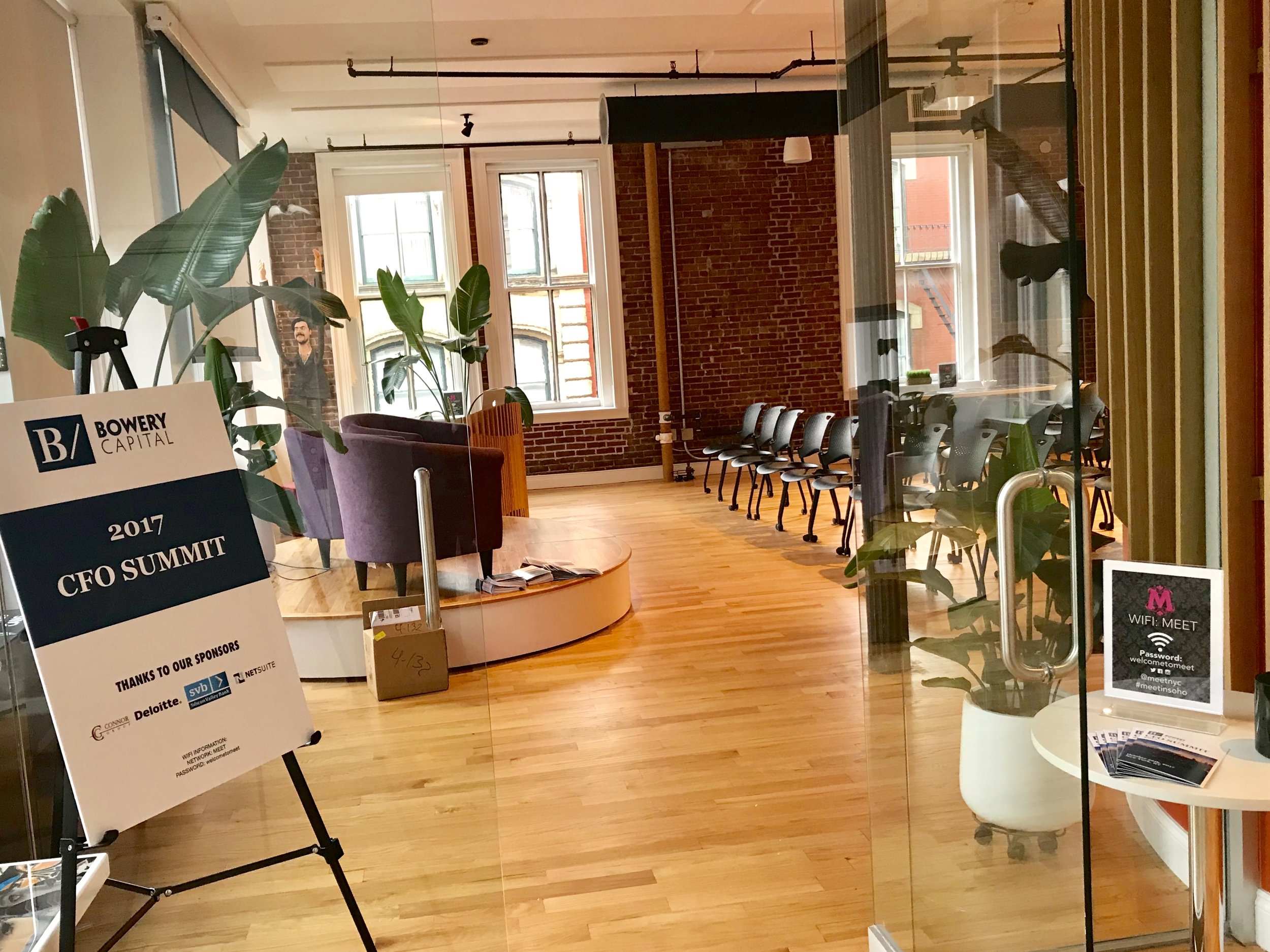
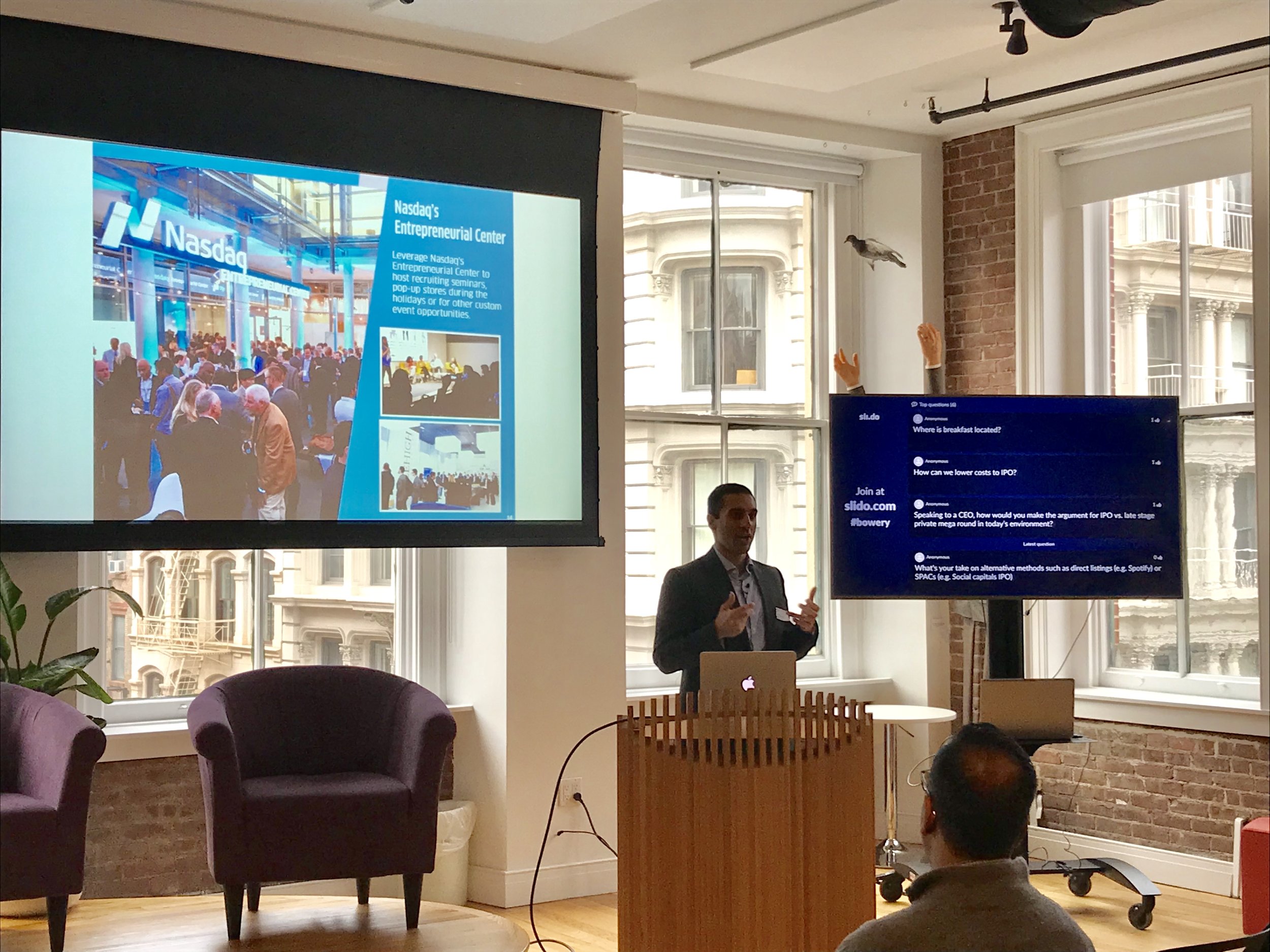
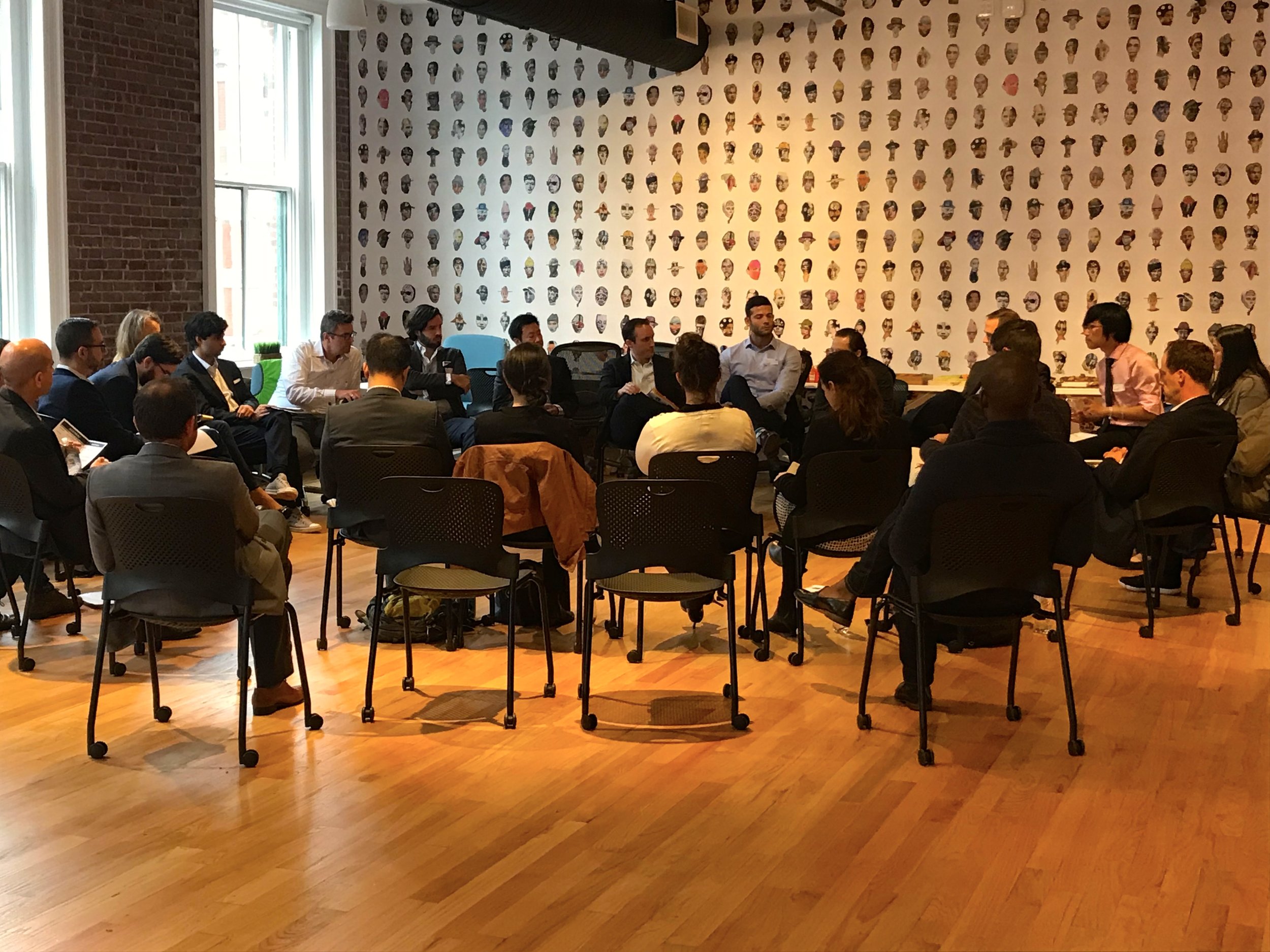
Yesterday we were onsite with Bowery Capital, an early stage Venture Capital firm, to help put together the 5th Annual CFO Summit. Bowery hosts these Executive Summits quarterly to provide a forum where early-stage growth companies can come learn from experienced executives. 16 CFOs from leading organizations were selected to discuss extremely tactical, hands-on topics, such as 'Planning for Hyper Growth', 'Understanding the ROI of Investing in People', and 'When to Change Systems Based on Growth/Funding'. Formats included facilitated panel discussions, 'tactical' work-shop like presentations, and roundtable conversations, with the main goal focused entirely on knowledge sharing in your role as a CFO.

The Summit, limited to 100 people to keep it intimate, was a great environment where C-level peers could share actionable business strategies and lessons learned.

Check out some of the highlights below!


Speaking 101: 6 Public Speaking Hacks for Introverts

 
marcos-luiz-292698.jpg

Introverts can make for great public speakers, too! Self-proclaimed shy-guy Simon Sinek, one of the most watched TedTalks presenters ever, shares his tips on how to handle nerves when speaking to large audiences:


  1. Don’t start talking as soon as you get on the stage - draw the audience in by taking a deep breath, making eye contact, and then standing or sitting in a comfortable position. Speaking immediately conveys fear and nerves to the audience.

  2. Be a giver, not a taker - the idea is to teach and inspire the audience, who’s very intuitive at distinguishing if the speaker is trying to sell a product or idea to them vs. offering helpful insights.

  3. Personalize your eye contact - instead of scanning the room throughout your presentation, focus on making eye contact with audience members one by one.

  4. Speak slowly - as we get nervous, both our heartbeat and speech accelerates. The audience would rather wait on you than miss out on important information.

  5. Focus on your supporters - of course, there are bound to be naysayers in the audience, pay them no attention. Focus on the smiling faces and nods of approval, they’ll make you feel confident while you are speaking.

  6. Show appreciation - always say “thank you” at the end of your presentation, especially when met with applause.


Interested in learning more tips? Check out the full article here.


Event 101: Do Room Layouts Affect Audience Engagement?

 
christian-fregnan-339342 (1).jpg

Remember, the shoe has to fit! Too often venue size, furniture arrangements, and overall aesthetic is not chosen with the audience or agenda in mind. Instead of providing the crowd with an unforgettable experience, they are left to fend for themselves as they maneuver a venue full of disruptions, inconvenient fixtures, and limited seating.


Three things to keep in mind when you’re choosing a venue for your Event:

  • Know how many attendees you’re anticipating, larger crowds don't provide flexibility with seating arrangements.

  • Venues tend to exaggerate the number of people they can actually accommodate, so always check out the venue in person.

  • Don’t forget to take note of any permanent fixtures  that might restrict your layout options.


Now, let’s transition into layouts appropriate for a professional conferences’ content:

  • Theater Style: for big conferences, presentations, annual meetings, or lectures.

  • Classroom Style: for note-taking at longer events or trainings where attendees might be using laptops.

  • Cabaret Style: for meals with presentations and performances, more for luncheons.

  • Boardroom Style: for medium-sized meetings or brainstorming and breakout sessions.

  • U-shape Style: for interactive sessions or debates.

  • Pods Style: for networking sessions or team-building.

  • Semi-circle Style: for small meetings and one-person presentations.


Ultimately, your goal for room layouts should always be to optimize crowd participation and experience.


To learn more, check out the full article here.