ProxSummit Recap: The Future Is In Close Proximity!


Update: 9/17 - check out the action! Unacast's Video Recap is live:

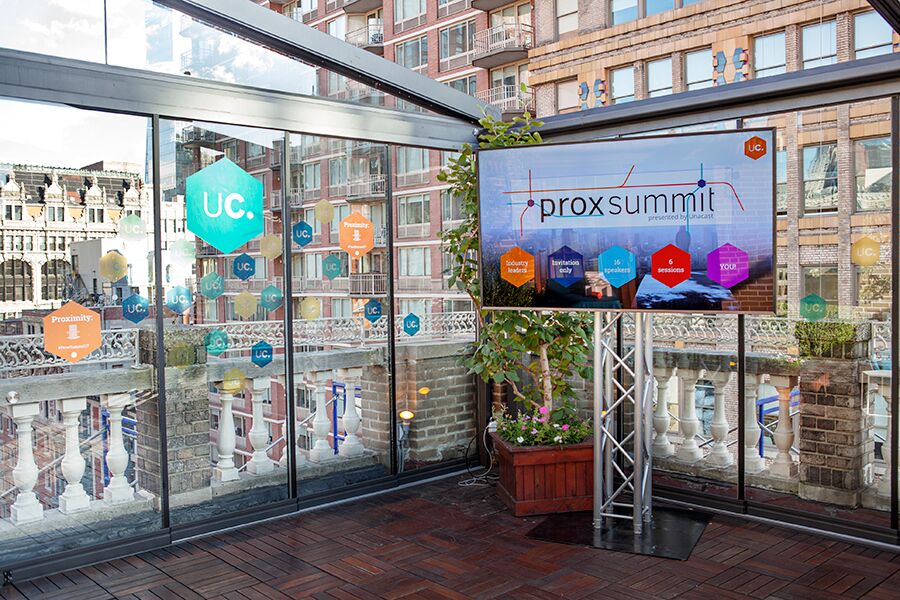
 

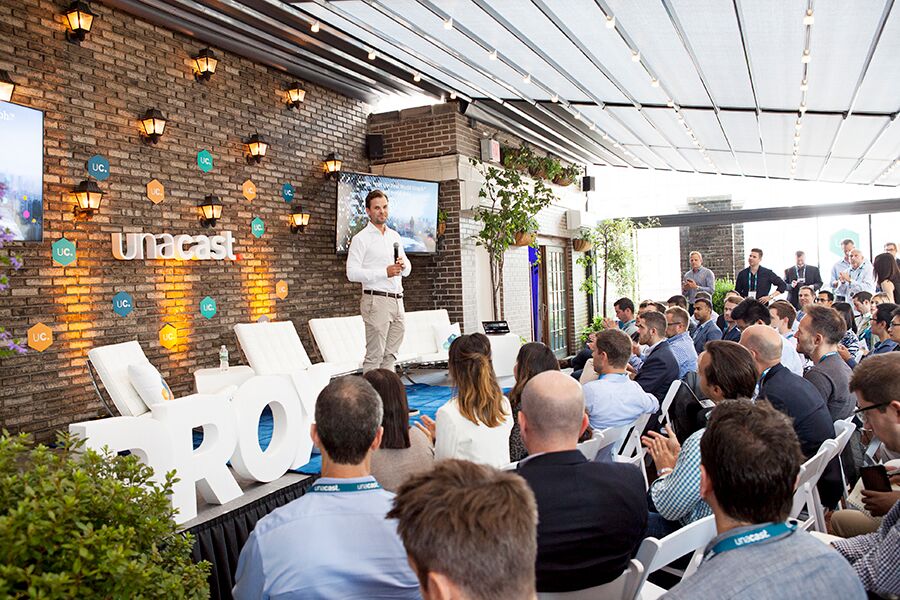
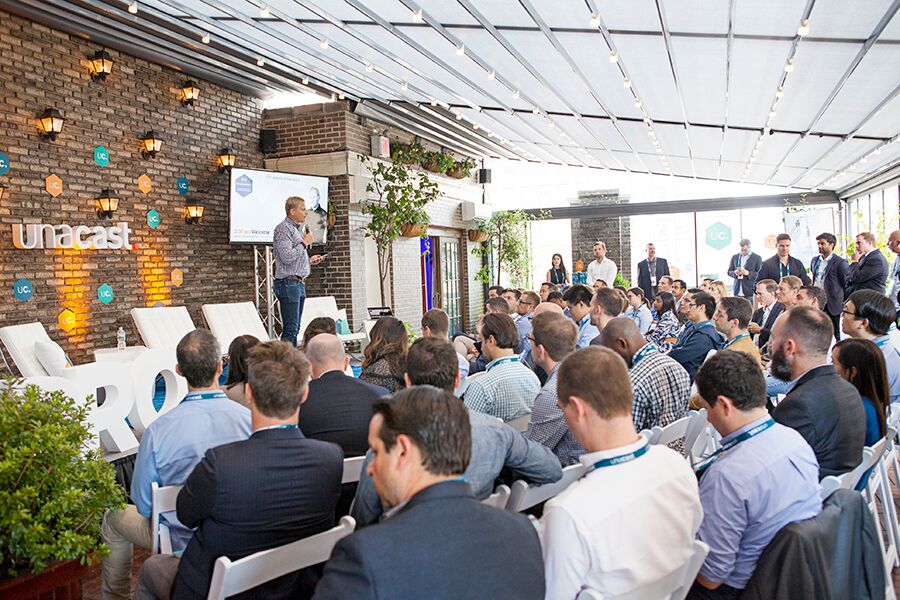
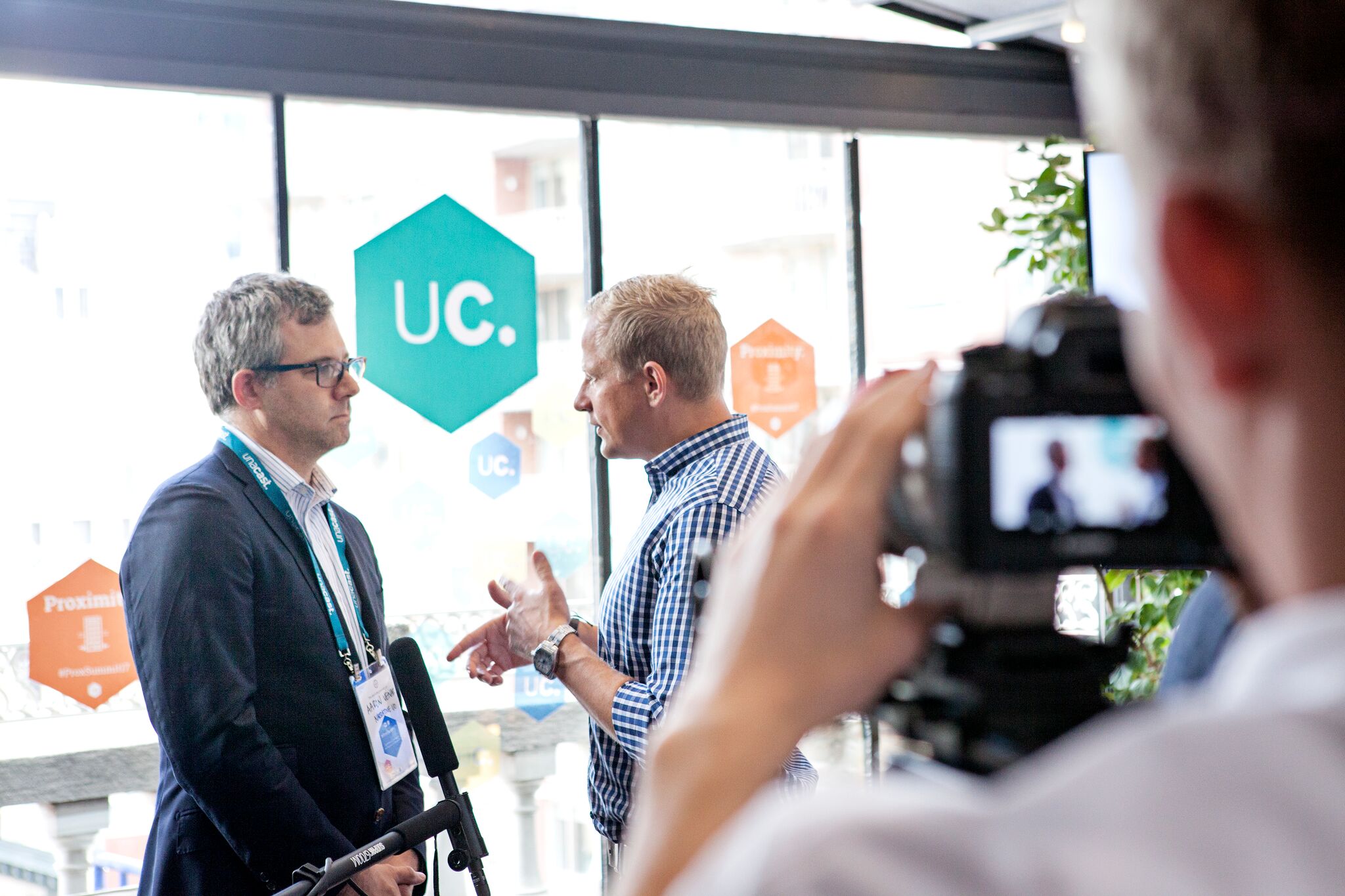
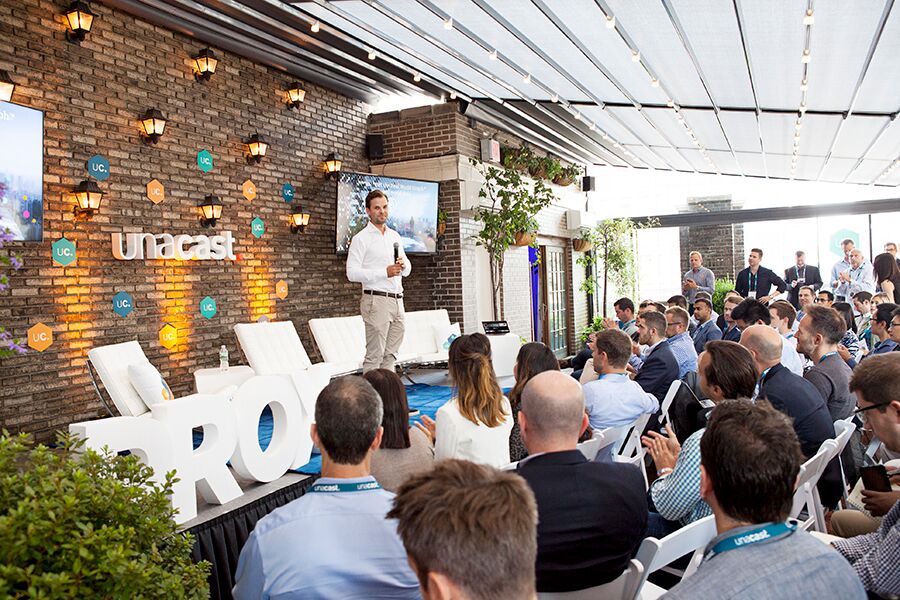
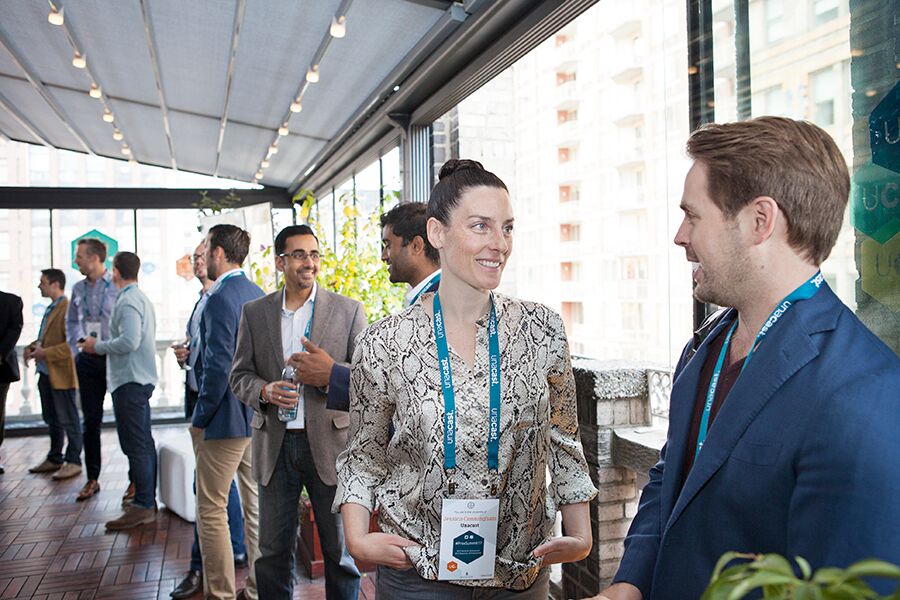
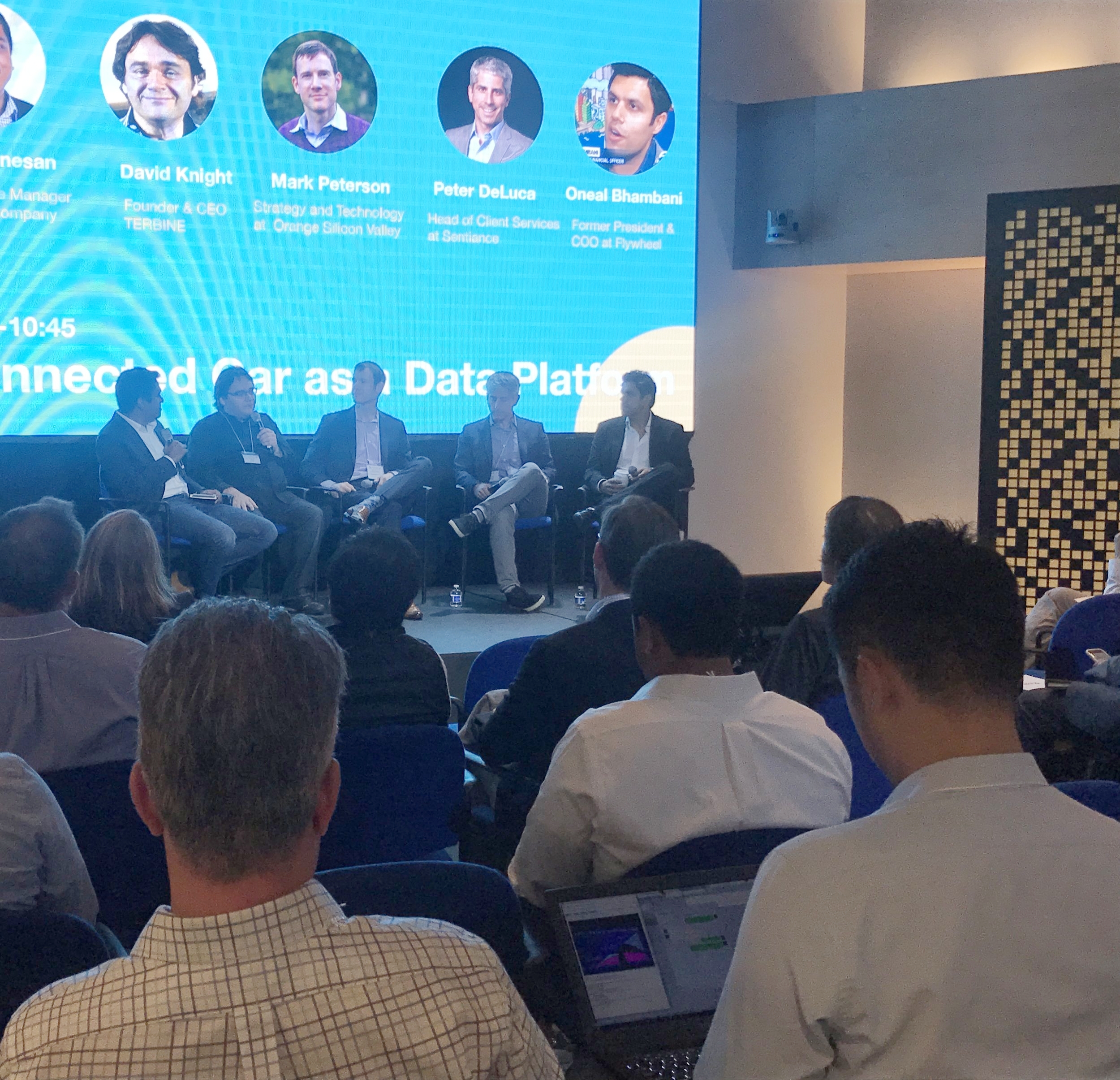
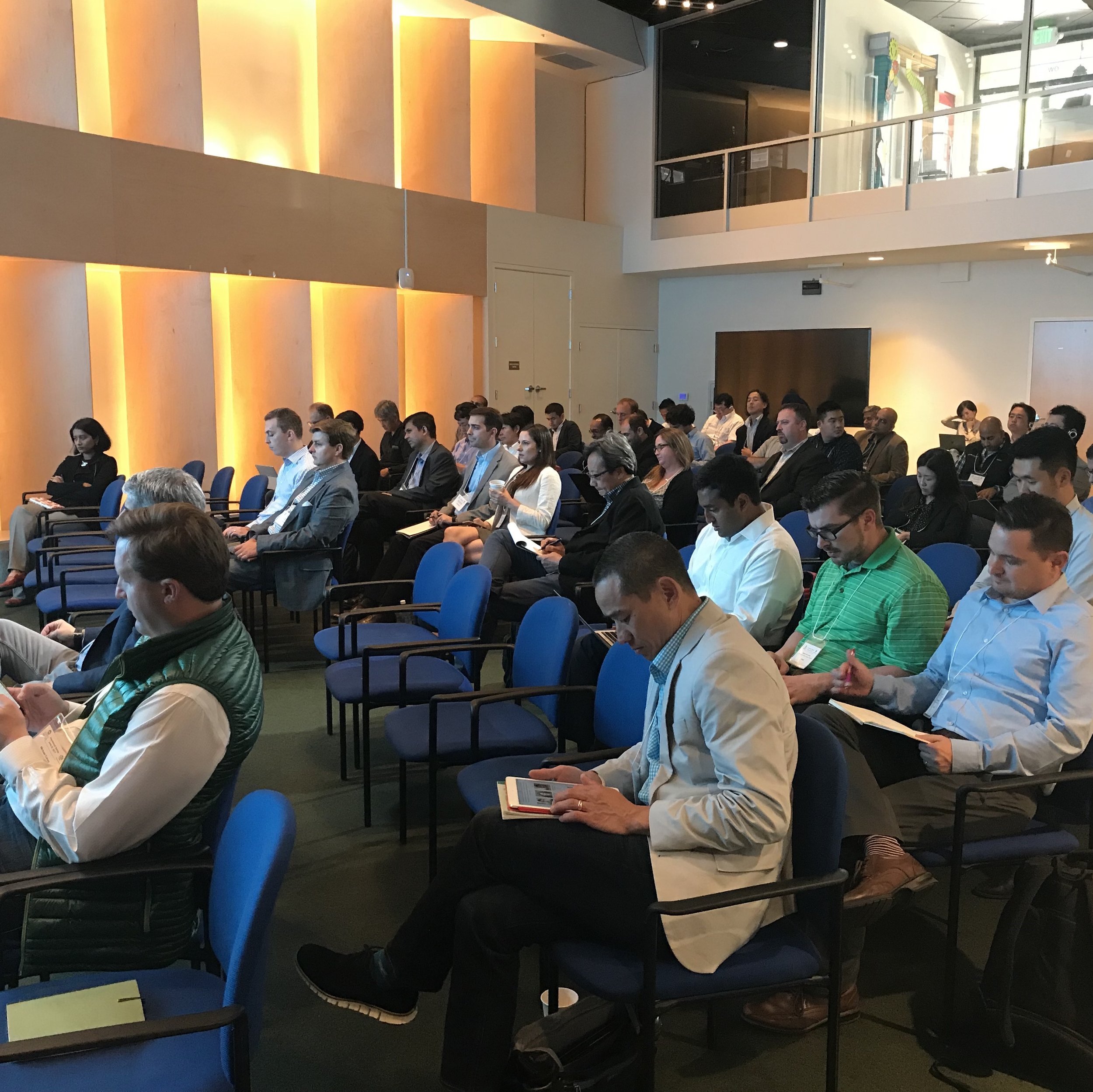
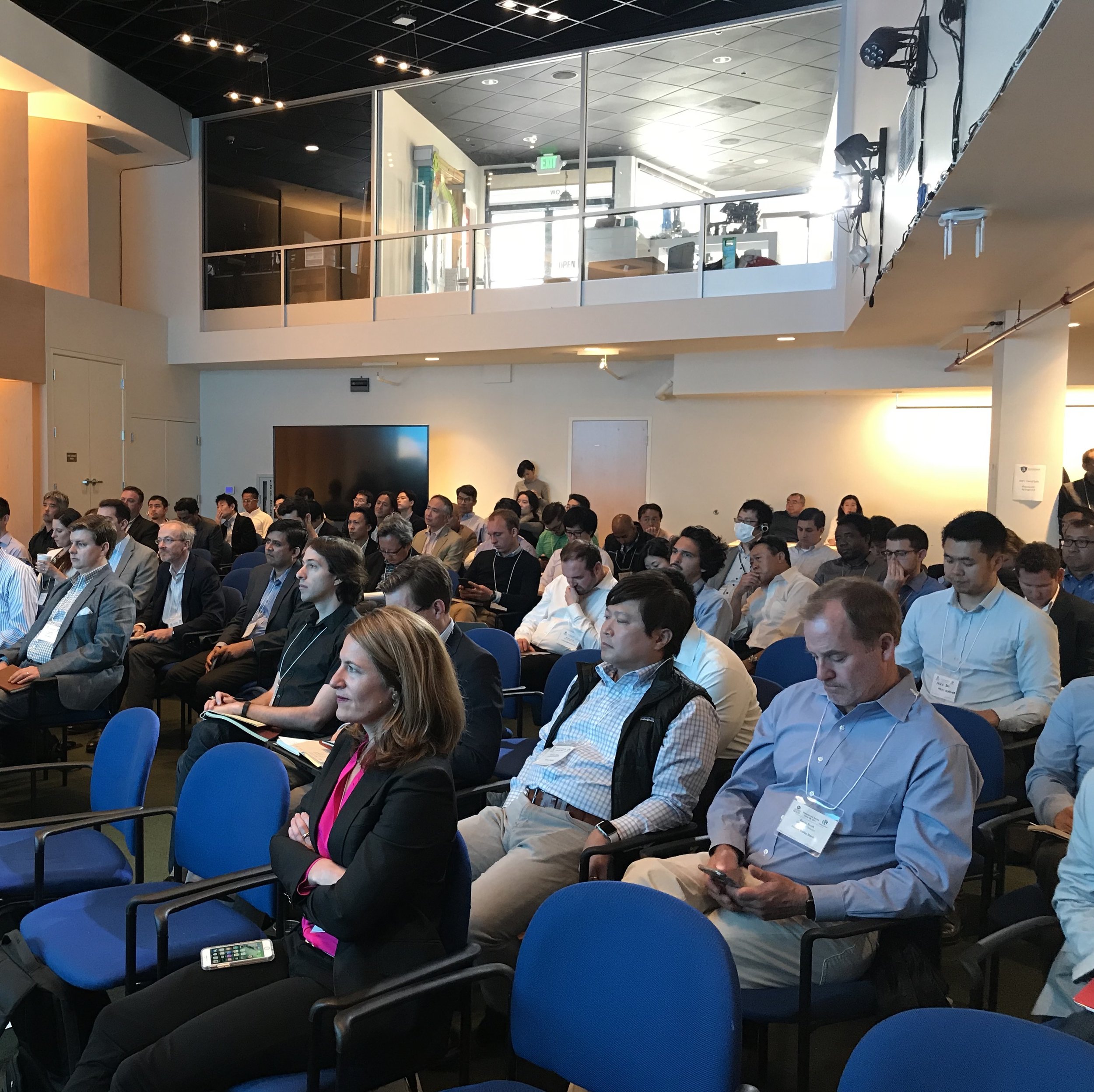
Yesterday, the top 80 Industry Leaders shaping the future of Proximity Marketing came together to create the First Annual ProxSummit, presented by Unacast. We’ve been working with Unacast, the largest proximity marketing platform and global network of proximity sensor companies, to host ProxSummit 2017 - an event highlighting the shift in location data usage to help people understand their connection with the world around them. If that mere concept doesn’t get you excited, the list of top industry speakers certainly will.

This was the inaugural summit bringing in innovators from the advertising and marketing field that were seeking to understand the surge in investments and interest in location-based marketing technologies. The conference advocated for transparency in this specific field, and attendees had a chance to understand the psyche behind accurately approaching innovation through a location-based lens.

Fun fact: The predicted estimate for location-targeted ad spending in 2021 will be approximately $32.4 billion. Our outlook on our day-to-day interactions with places and spaces is about to drastically change as we see growth in technology utilizing location-based data. Yet, what is the value of location-data? What are marketers prioritizing? What does the future hold for this sort of access to knowledge in terms of privacy? All these questions were open for discussion at this year's ProxSummit.

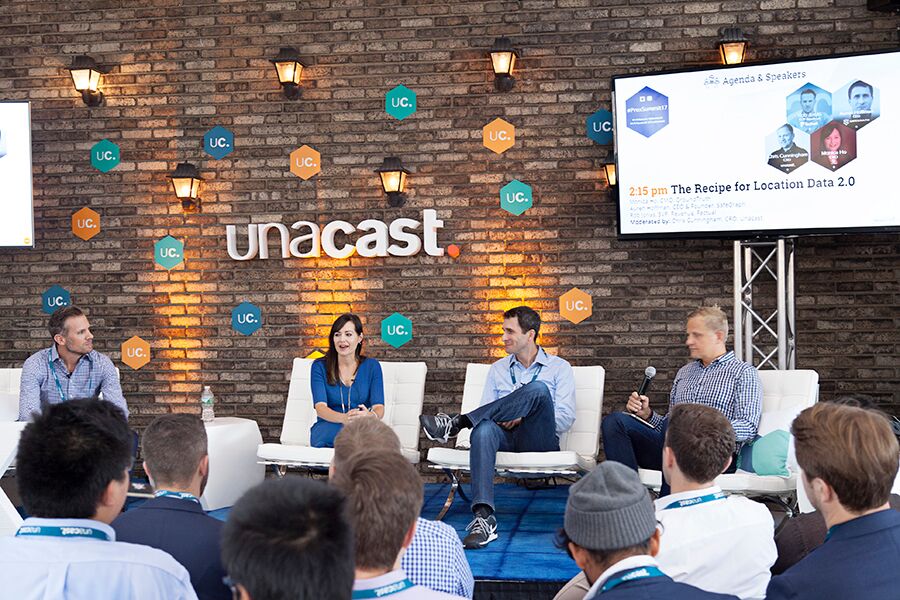
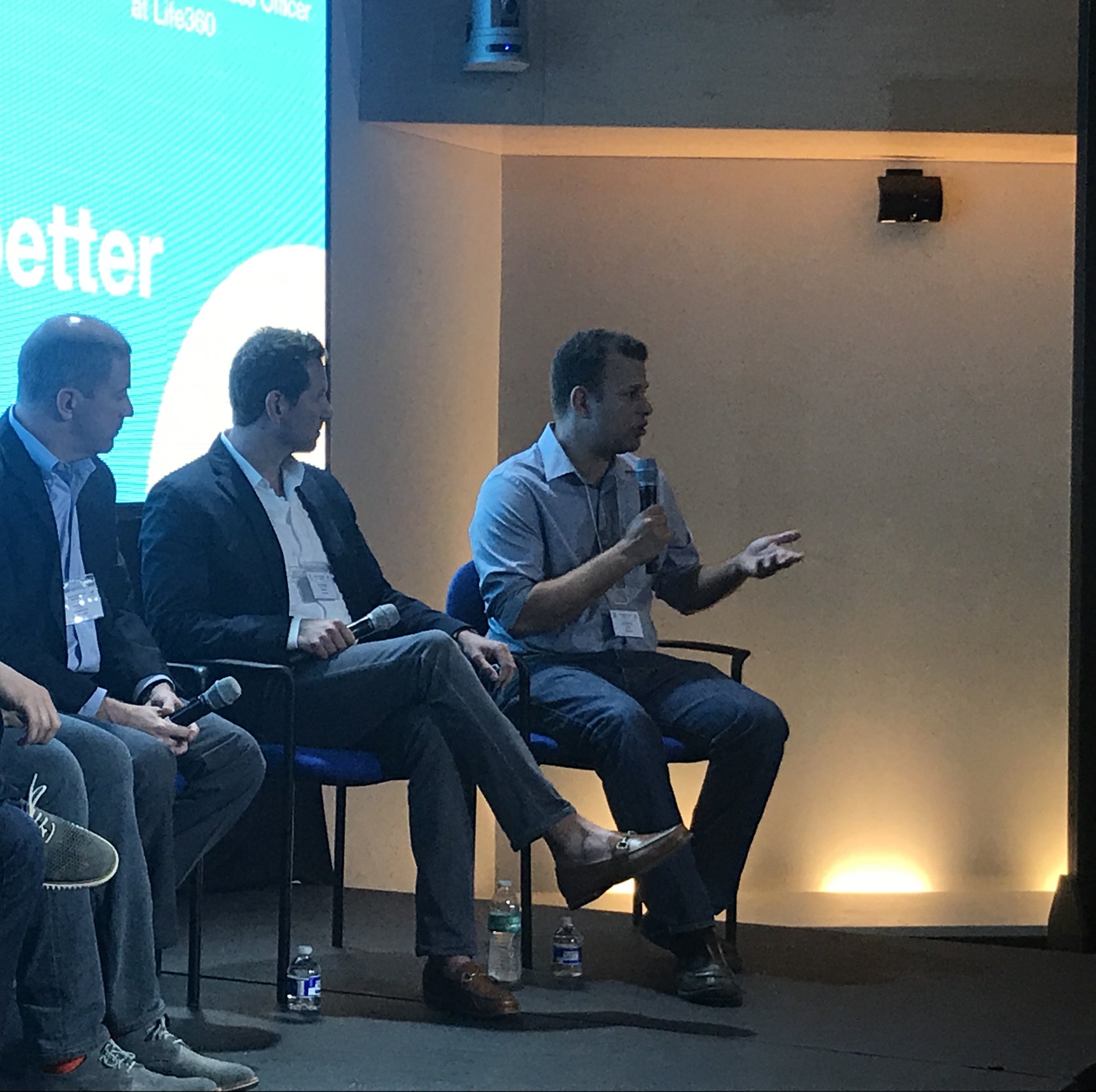
With four separate sessions dedicated to understanding the relevance of location and proximity, one of our favorites had to be “Do You Know Where Data Comes From?" moderated by Street Fight’s David Card. Jeff White (Founder & CEO of Gravy Analytics), Harry Dewhirst (President of Blis), and Brian Handly (Founder of CEO of Reveal Mobile) discussed the role of transparency around the source for data collection in accurately targeting and catering the market.

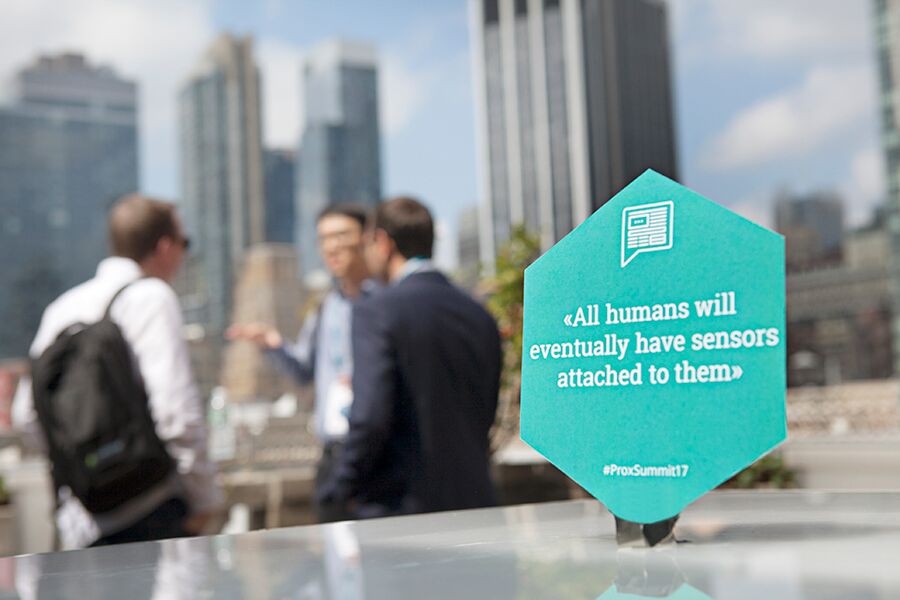
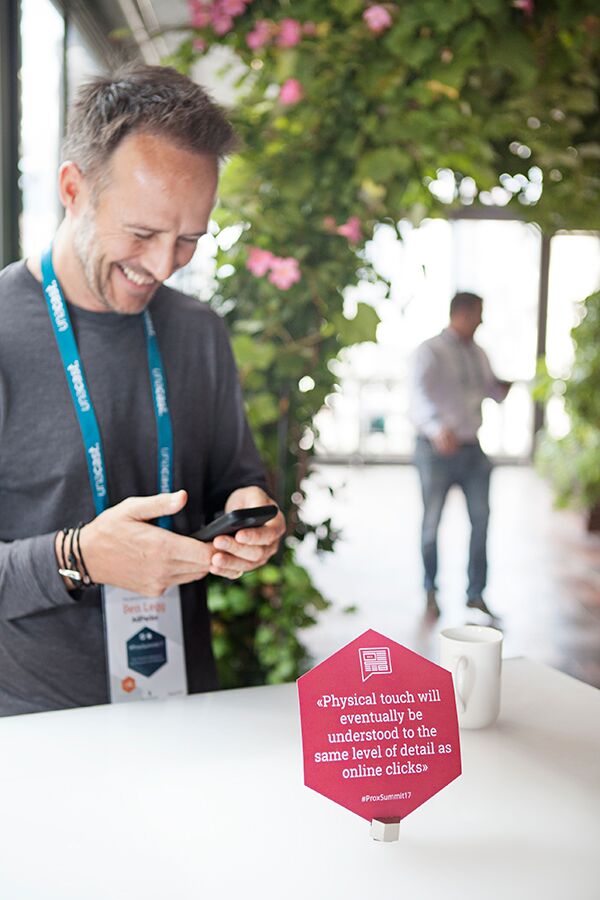
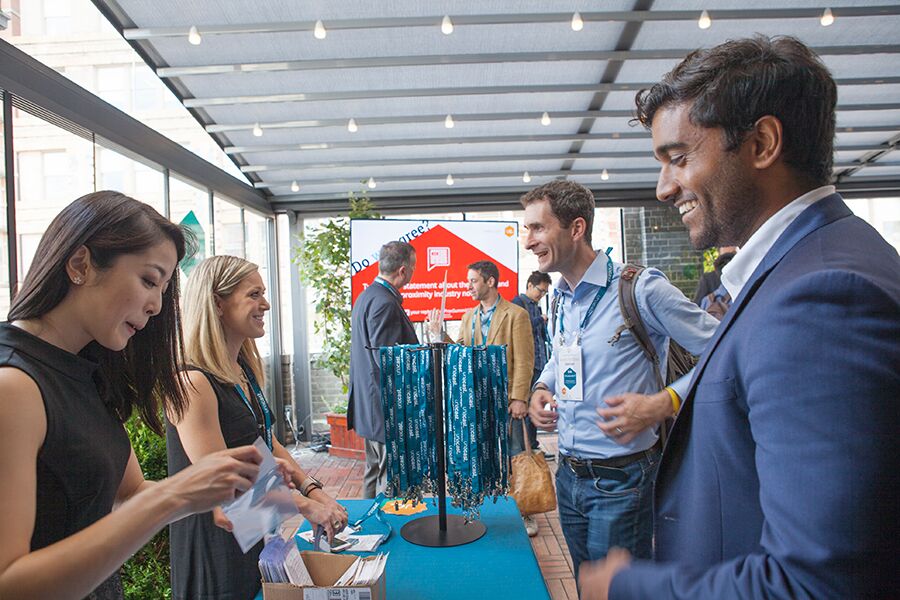
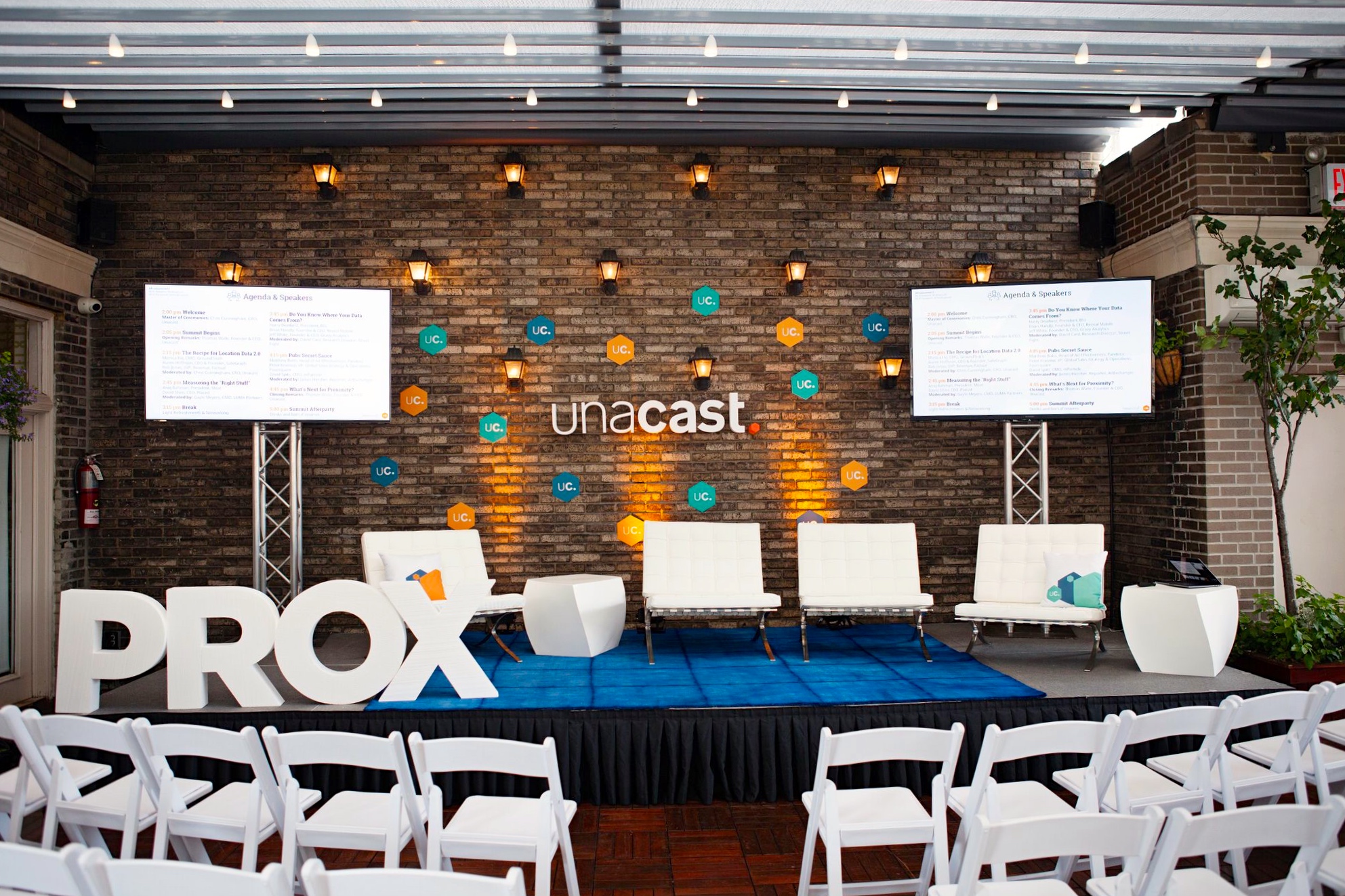
ProxSummit was held at the beautiful Midtown Loft & Terrace in downtown Manhattan, a rooftop venue overlooking the skyline. Check out some of our favorite highlights:
 

Event Spotlight: Sales 3.0 Conference

 

On September 18th and 19th, one of today’s leading sales leadership events, the Sales 3.0 Conference, will be held at the Planet Hollywood Resort & Casino in Las Vegas.

Sales 3.0 addresses all aspects of the sales organization. Speakers will address leadership insights, daily sales management challenges, alignment with marketing, sales enablement, sales strategy and execution, customer management, coaching sales reps, the latest industry research on sales effectiveness, and much more.

Between the keynotes and breakout sessions, there's abundant opportunity for networking and demos of the latest sales tech. The event concludes with a complimentary cocktail reception allowing speakers, sponsors, and attendees to get together and mingle.

---

Register for the event here, using SPEAKERV to receive 50% off your registration price.


Speaking 101: How to Make Your Presentation Slides Less Boring


When giving a presentation, do your slides actually matter?

Absolutely! We live in a design-centric world, and visuals go a long way.

According to developmental molecular biologist and best-selling author John Medina, vision trumps all senses. It’s no wonder then that people following directions with illustrations do 323% better than those who follow directions with only text. For presenters, this means that visuals can be especially important in helping people retain information and remember your speech.

Here, we’ve rounded up a handful of tips to make your presentation go from boring to engaging and memorable:

  • Avoid overloading your slides with too much text. Try to keep it to one idea per slide. Really, you should think of every slide as an individual advertisement.

  • Use high quality photos instead of clip art. No pixelated images - there are better ones out there, we promise!

  • Choose your fonts and font colors wisely. Keep your typography clean, simple, and professional, and spare your audience from those hot pink or highlighter yellow tones.

  • Avoid standard templates. If you want to impress your audience, don’t use a generic preset. It's boring!

  • Use infographics to present information. Again, this goes back to people processing information more effectively through images.

  • Go easy on the effects and transitions. The transitions you use shouldn’t distract from your presentation, or make you appear less professional.

Need more tips on designing the best presentation? Check out this guide.

---

Not there yet, and looking to lock down your first speaking engagement? Give us a shout!


Speaking 101: How to Handle a Heckler


Dealing with hecklers is never fun. Fortunately for us, they rarely show themselves during presentations (most people are afraid of looking bad in front of large groups).

That said, it’s good to be prepared. As a presenter, hecklers can really throw you off and distract your audience. So what’s the best way to handle one?

We’ve rounded up five tips to help you get started:

  1. Never reward interrupting. When someone starts talking over you or chatting with their neighbor, keep going. Make them look rude.

  2. Respond if you need to. Sometimes you just have to respond to the comments. When this happens, make sure you’re addressing the whole audience and not just the heckler. If you only address the heckler, it may invite them to continue.

    • That said, at a certain point, it is okay to make a firm, direct request to the heckler to stop. Revert to Tip #3 and #4 for this.

  3. Don’t try to be funny. Unless you have experience doing stand-up, avoid trying to come up with a witty response - it may fall flat. You can still be pleasant, but deal with the heckler head-on.

  4. Stay calm and gracious. Shake off whatever the heckler has to say, and don’t let them ruin the rest of your presentation. Remember that you want to be the most mature and positive person in the room. Lose your cool and you might lose your momentum - as well as the rest of your audience.

  5. Don’t let it get personal. Focus on the subject matter, instead of attacking the individual. Avoid trying to get even.

Finally, remember that you’re serving the group’s needs - not the individual’s. Don’t let one naysayer drive a wedge between you and your audience!

Need more advice?

Check out these posts on dealing with hecklers and restoring order.


Welcome to the Experience Economy


Experiential marketing has been all the rage this year, partially fueled by the growing challenge of engaging hard-to-reach millennials. That said, are branded Ferris wheels really what's necessary to stay relevant? (We’re talking about Snap’s latest ad at Cannes.)

According to recent Eventbrite research, experiences trump things, with 3 in 4 millennials choosing to spend money on an experience rather than a material item. For instance, Americans attend more live events than ever before, looking for that unique authenticity found through in-person engagements.

The millennial generation has effectively changed the game for brands, who have to think more creatively (and authentically) in order to reach consumers and survive. Here are three of the top approaches utilized by brands to make a lasting impression:

  1. Host an event. Putting on your own event is a great way to engage your network. Make sure you know who your audience is in order to communicate with them in a way that’s meaningful - and fun.

  2. Experiential marketing. While social media engagement and the “fun” factor are great, forgo the Ferris wheel and instead, focus on creating an interactive connection with your audience. Experiential marketing is a two-way conversation and can offer an invaluable space to engage consumers.

  3. Guerrilla marketing. Guerrilla tactics are an unconventional, out-of-the-box way to achieve higher impact and visibility at a lower cost. By introducing an element of surprise, guerrilla marketing has high potential for virality, helping to amplify brand engagement both online and offline.

Interested in learning more? Here are 7 guerrilla marketing examples to inspire your next campaign.

---

NEED help hosting an event?  

give us a shout!


Draper Nexus InsuranceX Recap


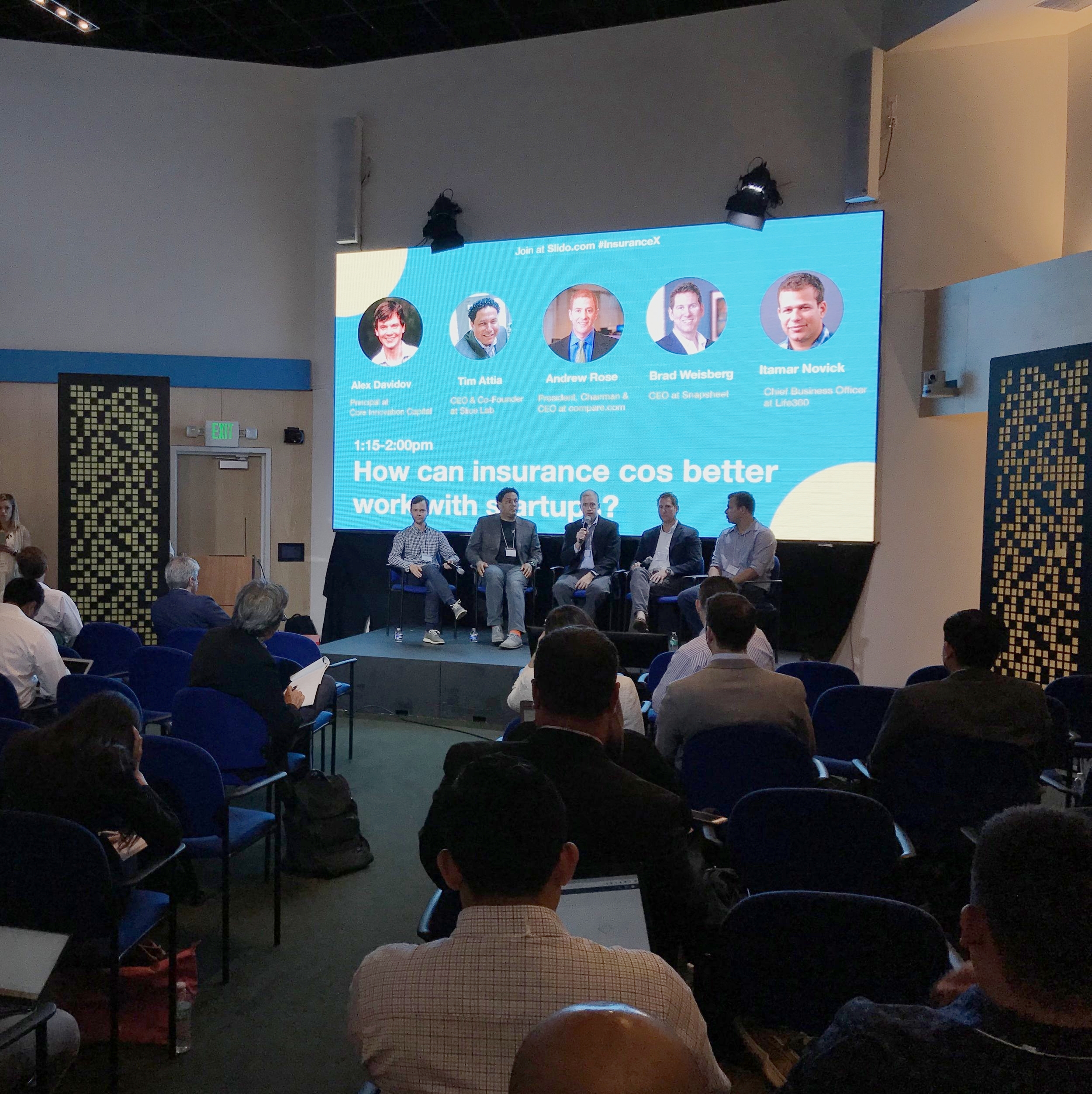
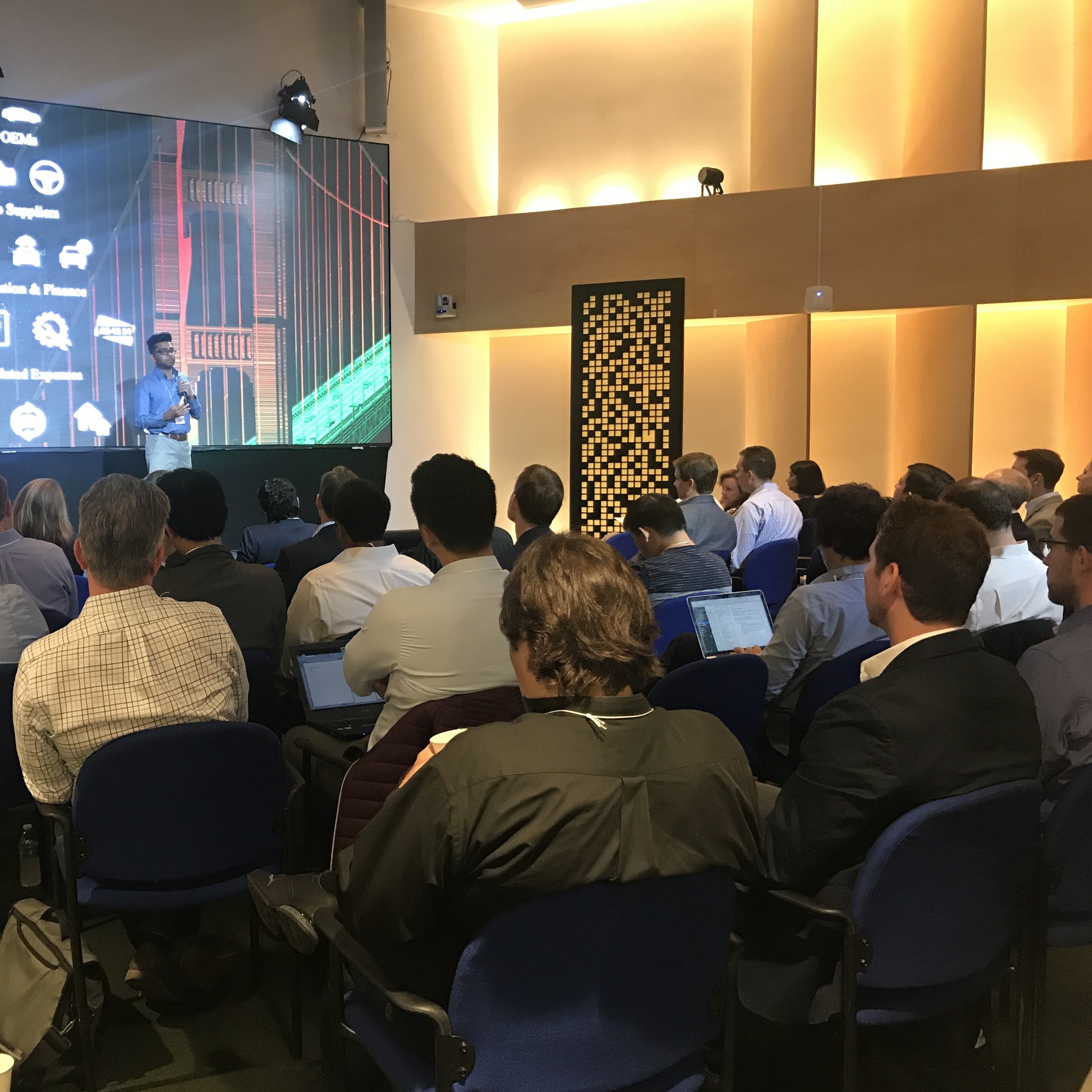
On June 28, members of the insurance community, alongside large and small technology startups came together for the first Annual InsuranceX Series, hosted by Draper Nexus. cred worked onsite to assist Draper Nexus in this invite-only event, with the goal of connecting members of the insurance community to current game changers within today’s tech scene. An early-stage venture capitalist firm, Draper Nexus focuses on enterprise tech and hardware both in Japan and the US.

Tim Draper (Founder of DFJ and Draper Associates) kicked off the conversation around autonomy, in particular how/when autonomous cars will likely shake up the industry for automotive startups and current insurance leaders.

 
1.png
2.png
 

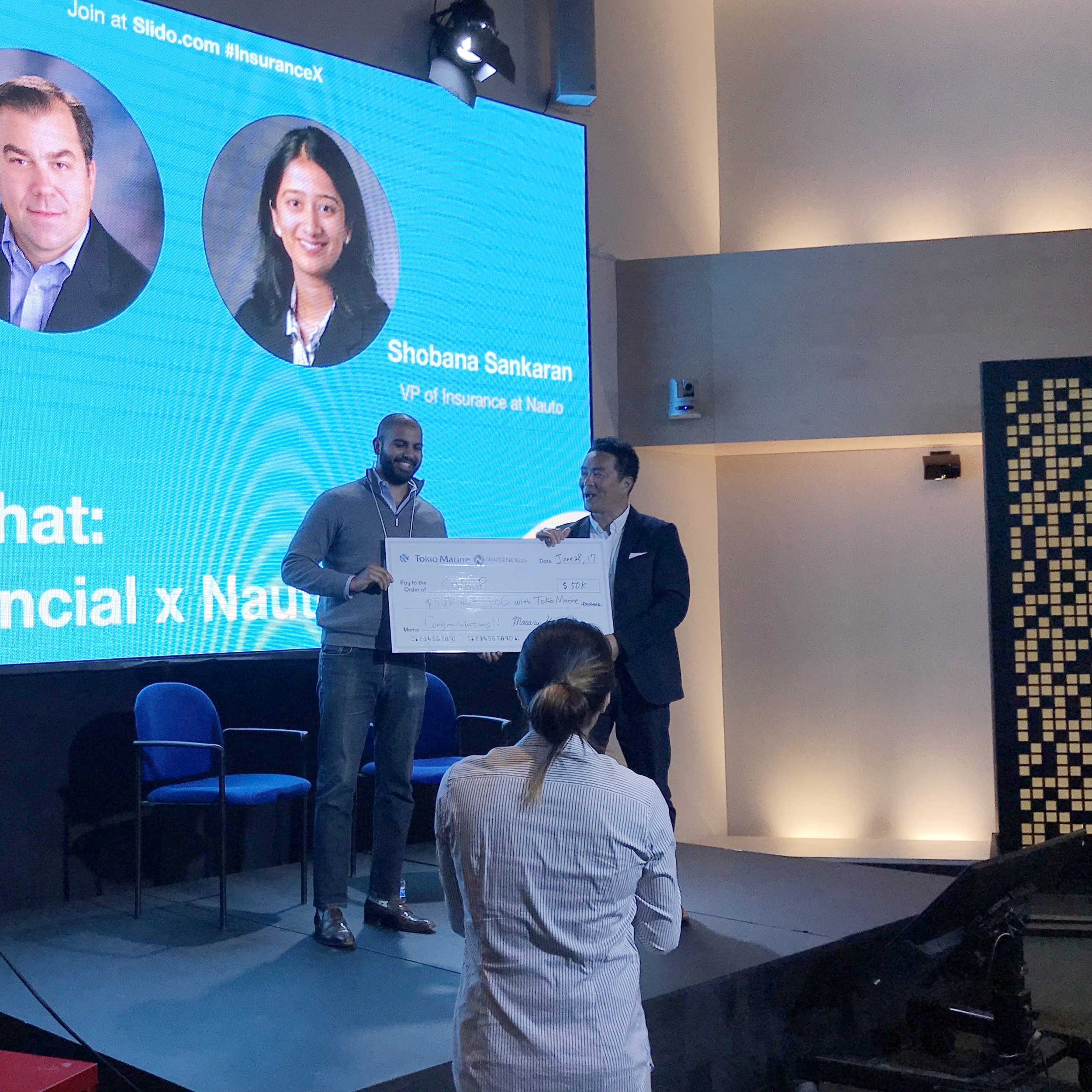
The event also heard insights from Kate Sampson (VP, Risk Solutions, at Lyft) who presented Lyft’s view on the Future of Personal Transportation and even presented Swoop (an emerging startup looking to automate roadside assistance) with a $50,000 check during a Startup Pitch competition. Representatives from State Farm, Farmer’s Insurance, Atlas Financial, Toyota, BMW i Ventures, and Renault touched on the future of personal transit, InsurTech landscape, connected cars as data platforms, and how startups can best work with insurance providers.

In total, over 100 people participated and took away one key element from the day: while making headlines today, the most capable, and consumer-friendly, autonomous car is still quite a few years away.


Need help planning your own event?
Contact
events@credpr.com


Branding vs. Marketing - What Comes First?


When it comes to startups, entrepreneurs tend to focus on developing a minimum viable product. Once early adopters' minimal needs are satisfied, the focus shifts to marketing the product in order to grow users.

But what about branding?  

A common misconception is that branding is only about the logo and design. While branding does consist of what the public sees, it’s more about how they perceive. Marketing and branding are not interchangeable, and below is a closer look at what distinguishes the two from each other:

  1. Branding is strategic; marketing is tactical. To put it plainly, branding is who you are and marketing is how you build awareness. While marketing focuses on positioning your product or service, branding is the process of building your personality, voice and message into your company’s DNA.

  2. Marketing activates buyers; branding creates loyalists. Marketing’s focus is driving user action (e.g. clicking on a link). Branding goes beyond customer acquisition and focuses on turning customers into advocates.

  3. You drive your marketing, but customers determine your branding. You hold the power over your tone and content; however, the customer ultimately defines your brand - and their perception of your company influences what they share with their network.

Thus, while marketing and branding go hand-in-hand, branding is what ultimately drives your marketing campaigns and shapes how you do business. Before you make the shift from product to marketing, be sure to consider how you want your company to be perceived, what your vision is and why your product or company exists.

---

Interested in learning more about the difference between marketing and branding?

Check out this article.


Speaking 101: How to Keep Your Branding Consistent


“Your brand is your promise to your customer. [It] is derived from who you are, who you want to be and who people perceive you to be."

- John Williams, Founder of CMOsmart

---

Whether you’re a VP within a large organization or a small business owner, an effective brand strategy is what gives you the edge in an already saturated market.

Your brand is what lets customers know what they can expect from you. Here, we've pulled together a list of four key elements you need to get the word out and establish a consistent brand:

  • Logo. You need a unique logo that won’t need to be changed every year. Once it's perfected, place it everywhere. Note: This may require an investment in time and resources. (Consider hiring a designer to ensure your logo is done correctly the first time.)

  • Messaging. Spend time developing your key messages, slogan or tagline, etc. There’s nothing like a catchphrase to capture attention and help customers remember what your company has to offer.

  • Templates and standards for marketing materials. To maintain consistency and establish your company’s visual brand identity, use the same color scheme, font, and logo placement on your website, social media profiles, and non-digital assets.

  • Voice. Again, consistency is important. Will your brand have a formal, polished tone, or are you more like Wendy’s, whose Twitter account roasts anyone brave enough to take them on? (Looking for more great social media voices?)

While each of these elements is important, your company’s mission is the most essential. Don't sweat the small stuff - like your logo - until after you've properly defined your company’s purpose and have the means to deliver upon promises. There’s no point in developing stellar marketing materials if your services are unreliable.

For more branding rules your company needs to survive, check out this article.